
Proposal to abolish freedom fighter quota in class XI admissions
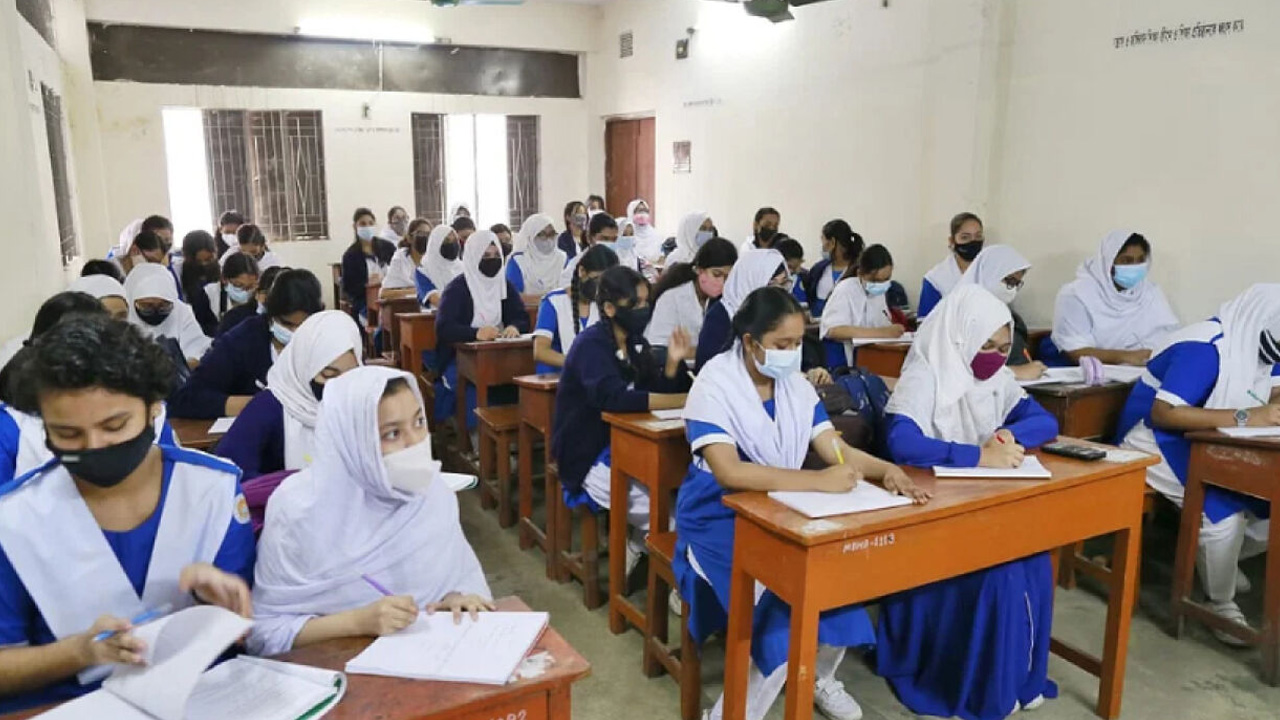
A proposal has been made to completely abolish the 5 percent quota reserved for the children of freedom fighters in Class XI admissions for the current academic year. At the same time, the proposal also seeks to remove the 2 percent quota reserved for the children of officials and employees of the Ministry of Education and its affiliated agencies.
The Inter-Education Board Coordination Committee has recommended these changes to ensure a fully merit-based admission process and provide equal opportunities for all students.
The proposal was discussed at a high-level meeting chaired by Education Adviser Ehsanul Haque Milon on Tuesday (July 7). Officials attending the meeting expressed support for abolishing both quotas.
However, considering the sensitivity and public significance of the issue, a final decision will be taken only after another meeting later this week involving teacher representatives, guardians, principals of leading colleges, and other relevant stakeholders.
Officials present at the meeting said the Inter-Education Board Coordination Committee had prepared a new admission policy containing several recommendations, which was presented at Tuesday's meeting.
Alongside the proposal to abolish the quota system, the policy also included alternative admission methods such as entrance examinations to assess merit and lottery-based selection. However, no final decision was made on these proposals, and another meeting may be held before the policy is finalized.
Rationale Behind the Proposal
Currently, a total of 7 percent of seats in Class XI admissions are reserved under different quotas. Of these, 5 percent are allocated for the children of freedom fighters, while 2 percent are reserved for the children of officials and employees of the Ministry of Education and its affiliated departments.
According to statistics compiled by experts from the Bangladesh University of Engineering and Technology (BUET), which is responsible for the technical management of the admission process, there have not been enough eligible applicants to fill the 5 percent freedom fighter quota in recent years.
BUET data show that, according to the official government gazette, the minimum age of a recognised freedom fighter was set at 12 years and six months during the Liberation War. Based on that criterion, the youngest surviving freedom fighter is now more than 80 years and seven months old. Given this reality, it is natural that very few of their children are now seeking admission to colleges.
In many cases, grandchildren of freedom fighters apply under the quota but later fail to submit the required documents, creating complications. As a result, some students with high GPA scores lose the opportunity to secure admission to their preferred colleges.
The Inter-Education Board Coordination Committee also considers the special quota reserved for officials and employees of the Ministry of Education and its affiliated agencies to be discriminatory.
Secondary and Higher Education Division Secretary Abdul Khalek said that if sufficient eligible candidates are not available under the freedom fighter quota, the vacant seats are currently filled from the merit list. However, he added that any policy change would ultimately require approval from the government's highest authorities and cabinet members. Education Adviser Ehsanul Haque Milon also said the final decision would be taken after consultations at the highest level.
GPA-Based Admission to Continue
According to meeting sources, although the draft policy proposed alternatives such as admission tests or lottery-based selection, those options were rejected during the meeting.
To prevent admission-related irregularities and undue influence, the authorities have decided to retain the existing GPA-based admission system instead of introducing entrance examinations or lotteries. The online, automated admission process that has been in place since 2012 will continue, with efforts to make it more efficient and transparent.
Stakeholders believe that if the proposal is implemented, Class XI admissions will become entirely merit-based, ensuring equal opportunities for all students and addressing long-standing concerns among general applicants over fairness in the admission process.