
Appellate division publishes verdict on 15th constitutional amendment
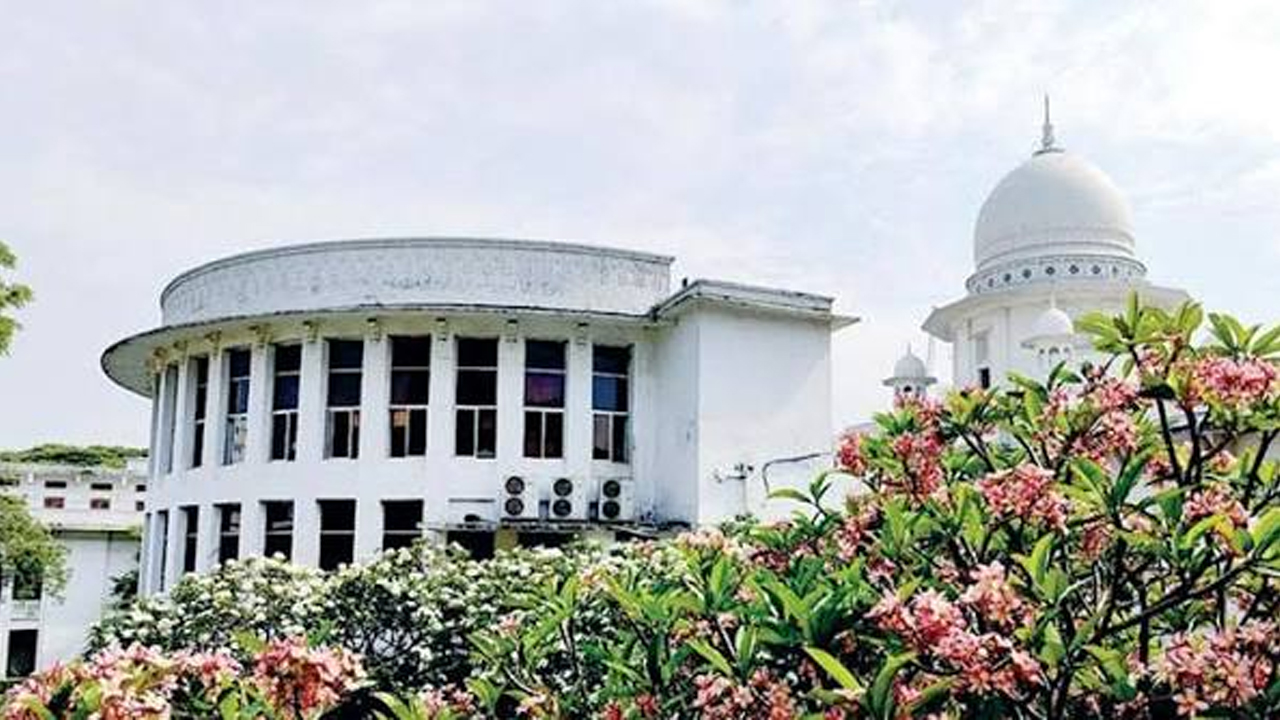
The Appellate Division has upheld the High Court's verdict declaring several provisions of the 15th Amendment to the Constitution, including the abolition of the caretaker government system, illegal. As a result, lawyers said the caretaker government system and the provision for referendums have been restored to the Constitution.
The verdict was delivered on Thursday (July 9) at 9:30 am by a four-member bench of the Appellate Division headed by Chief Justice Zubayer Rahman Chowdhury.
Earlier, appeals against the High Court verdict on the 15th Amendment were filed by Badiul Alam Majumdar, secretary of Shushashoner Jonno Nagorik (SUJAN), Md. Mofazzal Hossain of Naogaon, and Mia Golam Parwar, Secretary General of Bangladesh Jamaat-e-Islami.
Concluding the hearing on Wednesday (July 8), Attorney General Ruhul Quddus Kajal requested the court to leave the remaining provisions of the 15th Amendment to Parliament, except those found inconsistent with the Constitution.
Appearing for Jamaat-e-Islami, lawyer Shishir Monir made a similar submission, arguing that only the provisions conflicting with the Constitution's basic structure should be struck down, while the rest should be left to Parliament. However, lawyer Sharif Bhuiyan, representing Badiul Alam Majumdar, sought the annulment of the entire 15th Amendment except for Articles 96 and 102.
On November 13 last year, the Supreme Court granted leave to appeal against the High Court verdict that had declared several provisions of the 15th Amendment, including the abolition of the caretaker government system, unconstitutional.
The order was issued by the Appellate Division led by then Chief Justice Syed Refaat Ahmed.
The 15th Amendment to the Constitution was passed by Parliament on June 30, 2011. It abolished the caretaker government system and introduced several constitutional changes, including granting constitutional recognition to Sheikh Mujibur Rahman as the Father of the Nation and increasing the number of reserved seats for women in Parliament from 45 to 50, along with amendments to various constitutional provisions.