
Government to sue top 10 business groups
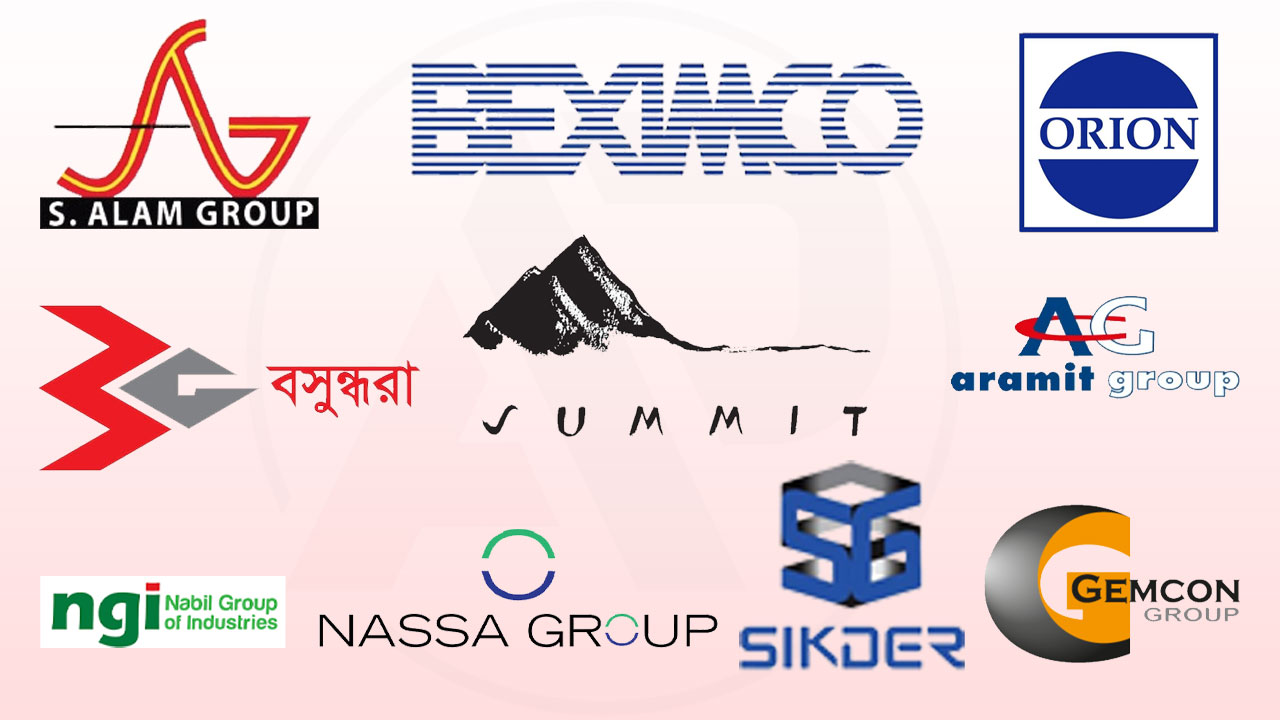
The government's joint investigation team has claimed to have found preliminary evidence of money laundering, tax evasion, and corruption involving 10 of the country's leading business conglomerates. Based on these findings, the government has decided to file civil lawsuits against the groups.
Multiple officials involved in the investigation confirmed the development. Ikhtiar Uddin Mohammad Mamun, head of the Bangladesh Financial Intelligence Unit (BFIU), also acknowledged the decision to proceed with legal action.
He said a joint investigation team had examined allegations against the business groups and found preliminary evidence. The government will now present the evidence before the court and file civil suits.
The 10 business groups under investigation are S. Alam Group, Beximco Group, Nabil Group, Summit Group, Orion Group, Gemcon Group, Nassa Group, Bashundhara Group, Sikder Group, and Aramit Group.
The investigation extends beyond the companies themselves to include the personal financial transactions and assets of their top executives.
According to officials, the BFIU is leading and coordinating the investigation. The primary inquiries have been carried out by the Criminal Investigation Department (CID), the National Board of Revenue (NBR), and the Anti-Corruption Commission (ACC), while the Attorney General's Office has provided legal support.
Each business group has been assessed individually. Investigators conducted the inquiries under the provisions of Bangladesh's anti-money laundering and counter-terrorism financing laws while maintaining strict confidentiality throughout the process.
Government sources said the investigation examined allegations that the business groups fraudulently obtained loans from various banks through deception and forgery, secured illegal benefits by using political influence, accumulated wealth through bribery and corruption, evaded taxes and customs duties, and laundered money abroad under the guise of foreign trade.
According to officials, the Financial Institutions Division informed the BFIU of the decision through a letter on December 2. Subsequently, the framework and operating procedures for the joint investigation were finalized on January 6.
As part of the investigation, the BFIU has already frozen the bank accounts of most of the business groups. Authorities have also examined their fixed and movable assets, bank loans, utilization of loan funds, financial flows, business transactions, and the identities of the ultimate beneficiaries of those loans.
In addition, requests have been sent to the relevant authorities in the United States, the United Kingdom, Singapore, Canada, and the United Arab Emirates seeking information on the suspected overseas assets of the individuals concerned.
Following a recent meeting with the Governor of the Bangladesh Bank, Masrur Arefin, President of the Association of Bankers, Bangladesh (ABB) and Managing Director of City Bank, said banks linked to the alleged money laundering cases had been instructed to take the necessary steps to recover funds transferred abroad.
He said that recovering laundered assets through international legal processes typically takes between three and five years. However, the relevant authorities remain optimistic that the funds can be repatriated to Bangladesh gradually through legal channels.
Source: Agamir Shomoy