
From neglected water hyacinths to a better livelihood
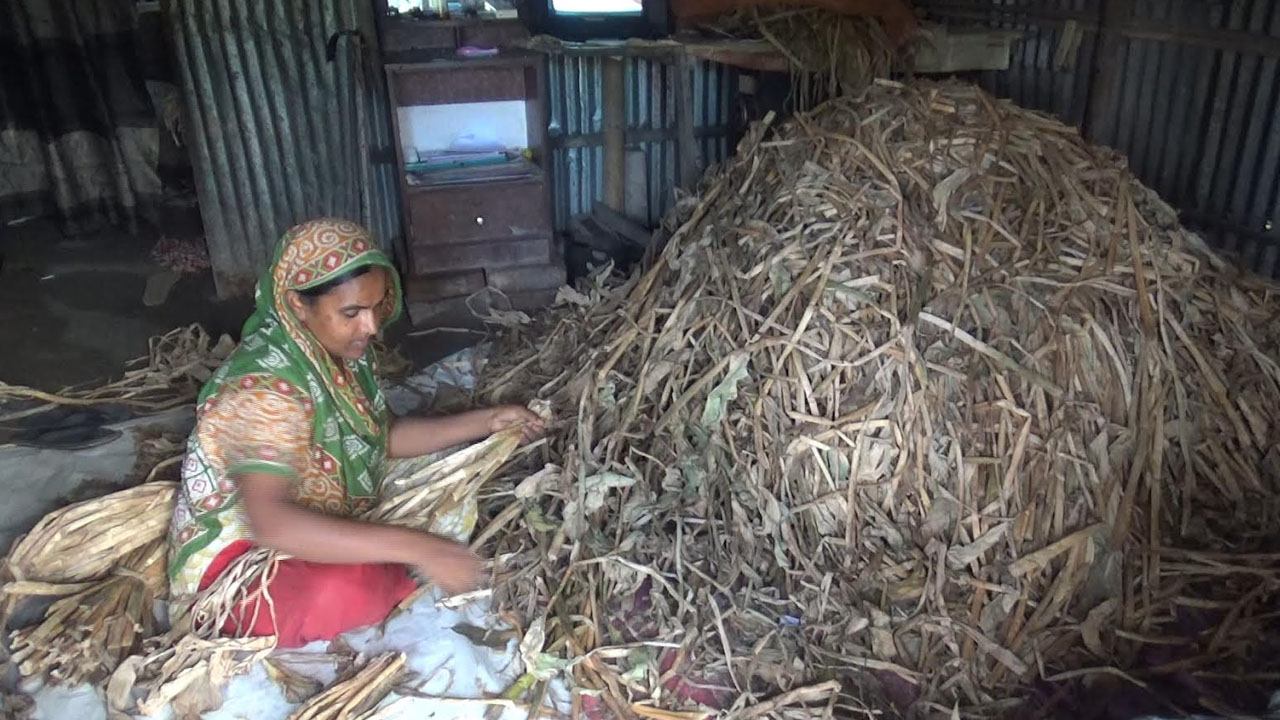
Once regarded as an unwanted aquatic weed clogging canals, wetlands, and rivers, water hyacinth has now become the primary source of income for a family in Bagerhat. By collecting water hyacinths from local canals, drying them, and supplying them to Dhaka, the four-member family is now making a living.
Sumi Begum and her family live on government-owned land beside a lake in Ward No. 8 of the Gobdia area under Khanjahan Palli in Bagerhat town. Every day, they collect water hyacinths from the canal adjacent to the lake.
Imran Sheikh, a laborer engaged in clearing water hyacinths from the canal, said, "Every day from 8:00 a.m. to 2:00 p.m., two of us work together to remove water hyacinths from the canal. We earn BDT 2,500 per day for this work. Later, we learned that Sumi Begum and her husband collect the water hyacinths we remove and send them to Dhaka."
Another laborer, Nayan Sheikh, said, "I couldn't continue my studies and now work collecting water hyacinths. I never knew they were so valuable. Now I've learned that they are used to make various eco-friendly products that are sold both at home and abroad."
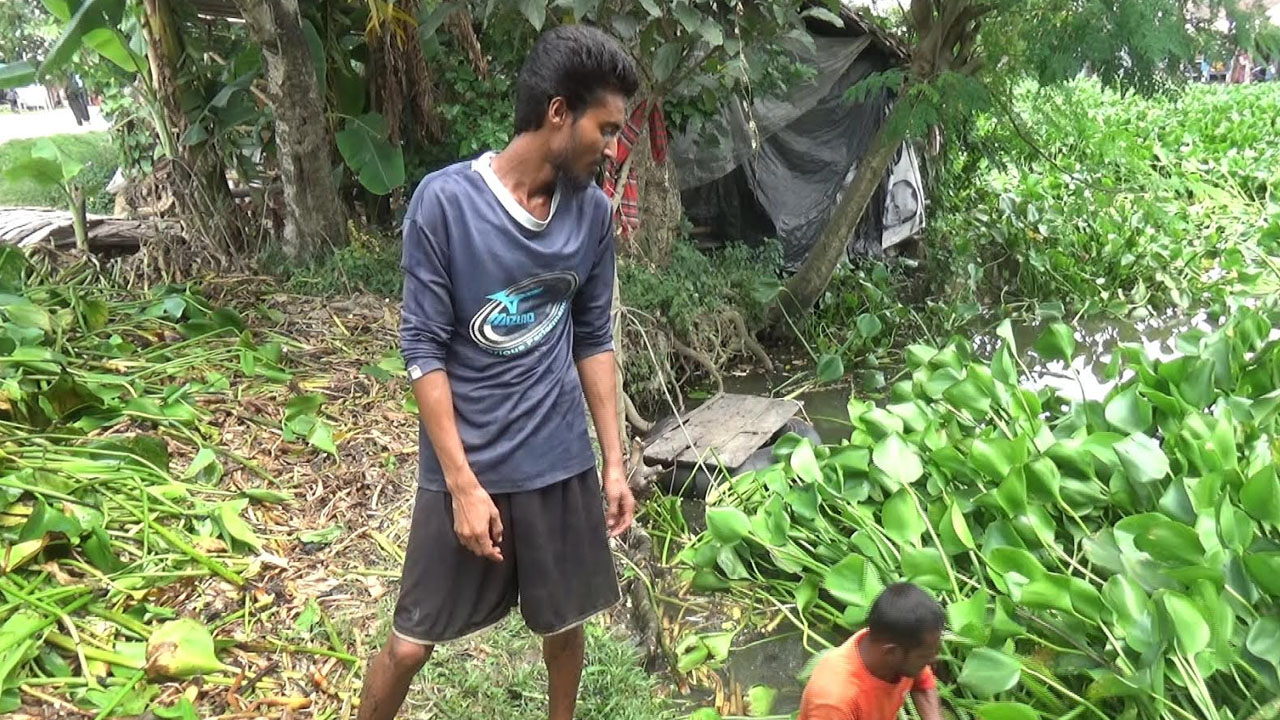
Local resident Md. Robiul Islam said, "Previously, the canal was completely covered with water hyacinths, obstructing the natural flow of water. Now that they are being removed regularly, the canal has become much cleaner. At the same time, people are earning an income by selling them. If more initiatives like this are taken, both the environment and the local economy will benefit."
Woman entrepreneur Sumi Begum said, "My husband, our son, our daughter, and I all work together. At first, due to a lack of knowledge, we sold dried water hyacinths in Pirojpur for only BDT 50 per kilogram. Now, a company in Gazipur, Dhaka, has offered to buy them at BDT 150 per kilogram. We hope this will significantly increase our income. We don't own a house and live on government land. Despite all the hardships, we are determined to become self-reliant through this work."
Sumi's husband, Abdullah Sheikh, said, "I used to run a small shop, but I had to close it because the business was not doing well. Later, I watched YouTube videos about producing handicraft raw materials from water hyacinths and became interested. With the help of someone I knew, I started this work about three months ago."
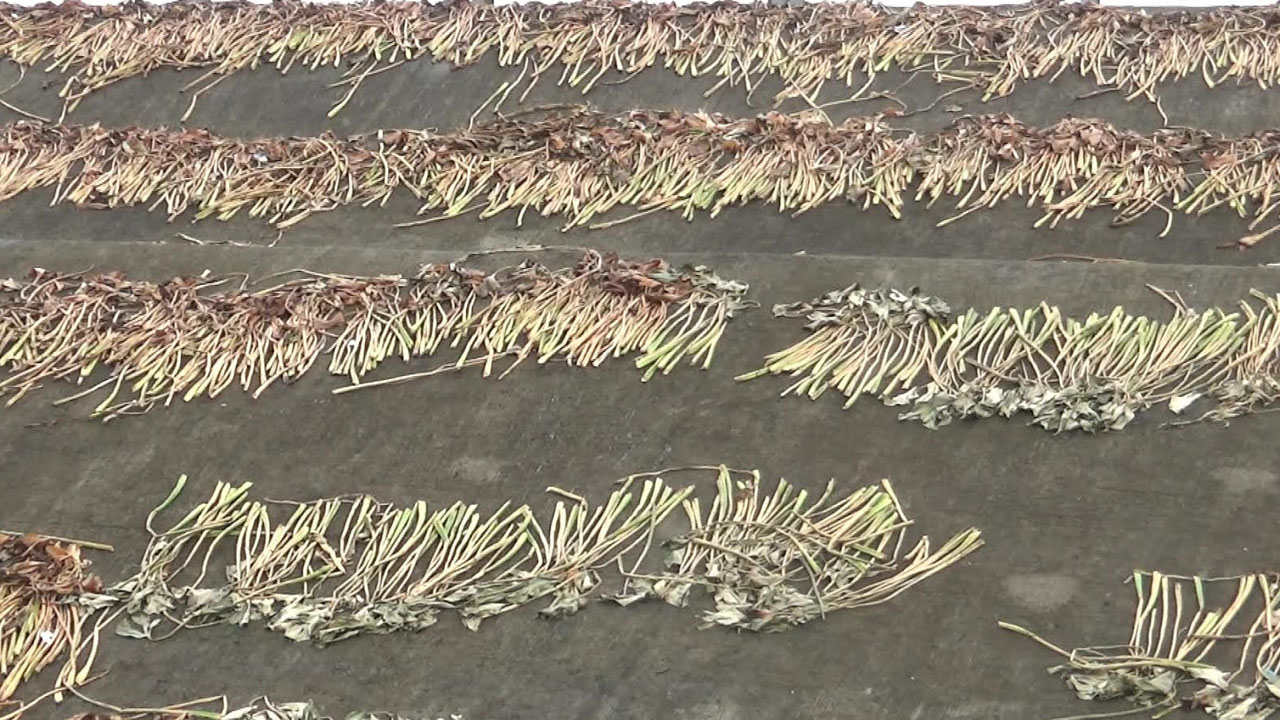
He explained that after collecting the water hyacinths, they must be cut according to specific standards and dried thoroughly in the sun. During the drying process, they must be placed on elevated, dry ground. If they remain compressed underneath or are not dried properly, they become unsuitable for sale. The processed material must also meet the required length and quality standards.
Abdullah Sheikh added, "If we receive government support and gain access to a larger market, we would like to expand this business. That would also create employment opportunities for others."
Md. Sohag Hossain, Acting Deputy General Manager of the Bagerhat BSCIC Industrial Estate, said, "The initiative to utilize water hyacinths for producing eco-friendly products holds tremendous potential. What was once considered a nuisance in water bodies is now being transformed into an economic resource. There is strong domestic and international demand for handicrafts made from water hyacinths, including garden pots, various types of baskets, floor mats, flower vases, doormats, and many other products."
He added, "BSCIC offers various forms of support to entrepreneurs in this sector, including training, product quality improvement, marketing assistance, and entrepreneurship development programs. If more people become involved in this industry at the local level, it will transform the rural economy and create new opportunities for export earnings."