
Oil prices rise again within two days
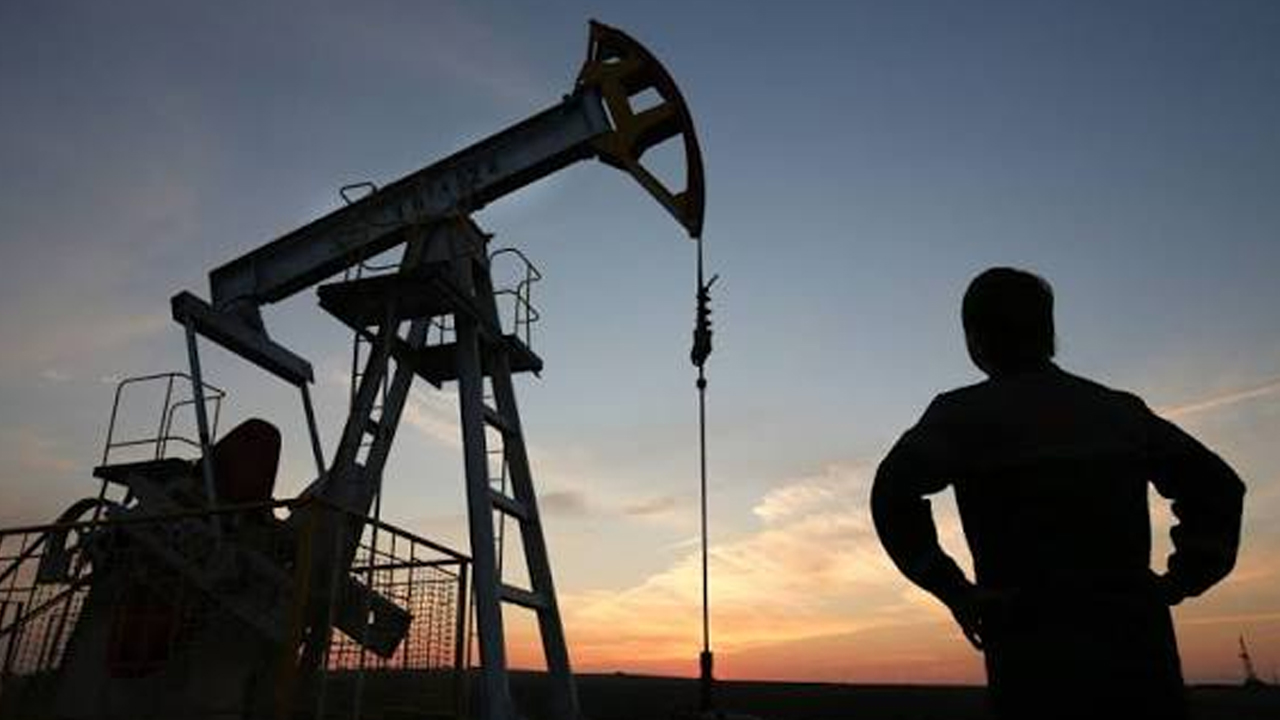
Global crude oil prices have risen again after talks on a final ceasefire agreement between Iran and the United States reportedly collapsed.
Market analysts fear that the political deadlock in the Middle East's key oil-producing region could disrupt oil supplies for an extended period.
According to a Reuters report, as of 9:39 a.m. on Wednesday (July 1), international benchmark crude oil prices had increased by 33 cents, or 0.45 percent, to $73.28 per barrel. On Sunday (June 28), oil prices had risen by 0.9 percent to $72.20 per barrel compared with the previous trading session.
At the same time on Wednesday, U.S. benchmark West Texas Intermediate (WTI) crude rose by 34 cents to $69.84 per barrel.
Vandana Hari, founder of oil market analysis firm Vanda Insights, said the renewed closure of the Strait of Hormuz is disrupting oil supplies.
"It is uneven, unpredictable and far from transparent. Until Washington and Tehran reach a new understanding, the market is likely to remain cautious, waiting and watching before confidence in lasting peace and stability returns," she said.
Earlier on Tuesday (June 30), the White House described the negotiations as being held at a high level. However, Iran and the host country, Qatar, said Iranian officials would meet with mediators rather than engage in direct talks.
Qatar confirmed that Prime Minister Sheikh Mohammed bin Abdulrahman Al Thani attended the mediation meeting alongside U.S. envoy Steve Witkoff and Jared Kushner.
Between the first and second quarters of this year, Brent crude prices fell by nearly $45 per barrel, marking the largest quarterly decline since the 2008 global financial crisis. Meanwhile, U.S. crude prices dropped by around $31 per barrel, the steepest quarterly fall since the collapse in global oil demand during the COVID-19 pandemic in 2020.
The sharp decline was largely attributed to signs of progress toward easing tensions in the Middle East, reversing the earlier price surge driven by the conflict.
A Reuters survey published on Tuesday found that analysts had lowered their 2026 oil price forecasts for the first time since the Iran conflict began. The revision followed five consecutive months of higher forecasts, as concerns over prolonged supply disruptions eased after the Strait of Hormuz was reopened.
However, U.S. Vice President JD Vance, speaking on The Michael Knowles Show, said Iran would not be allowed to impose tolls or transit fees on vessels passing through the strategic waterway.
"This situation is not going to end with the Iranians collecting tolls from ships passing through the Strait of Hormuz," Vance said.
He added that tanker traffic through the vital shipping lane has begun to recover and that oil shipments have already returned to pre-war levels.
Meanwhile, analysts also attribute the latest increase in global oil prices to declining U.S. crude inventories.
Citing data released Tuesday by the American Petroleum Institute (API), market sources said U.S. crude oil stockpiles fell again last week, while gasoline inventories also declined.
According to sources speaking on condition of anonymity, crude inventories dropped by 6.1 million barrels during the week ending June 26.
The U.S. Energy Information Administration (EIA) is scheduled to release its official crude inventory data at 10:30 a.m. local time on Wednesday. The report is expected to play a key role in determining the next direction of global oil prices.