
Sundari tree under threat, facing risk of extinction
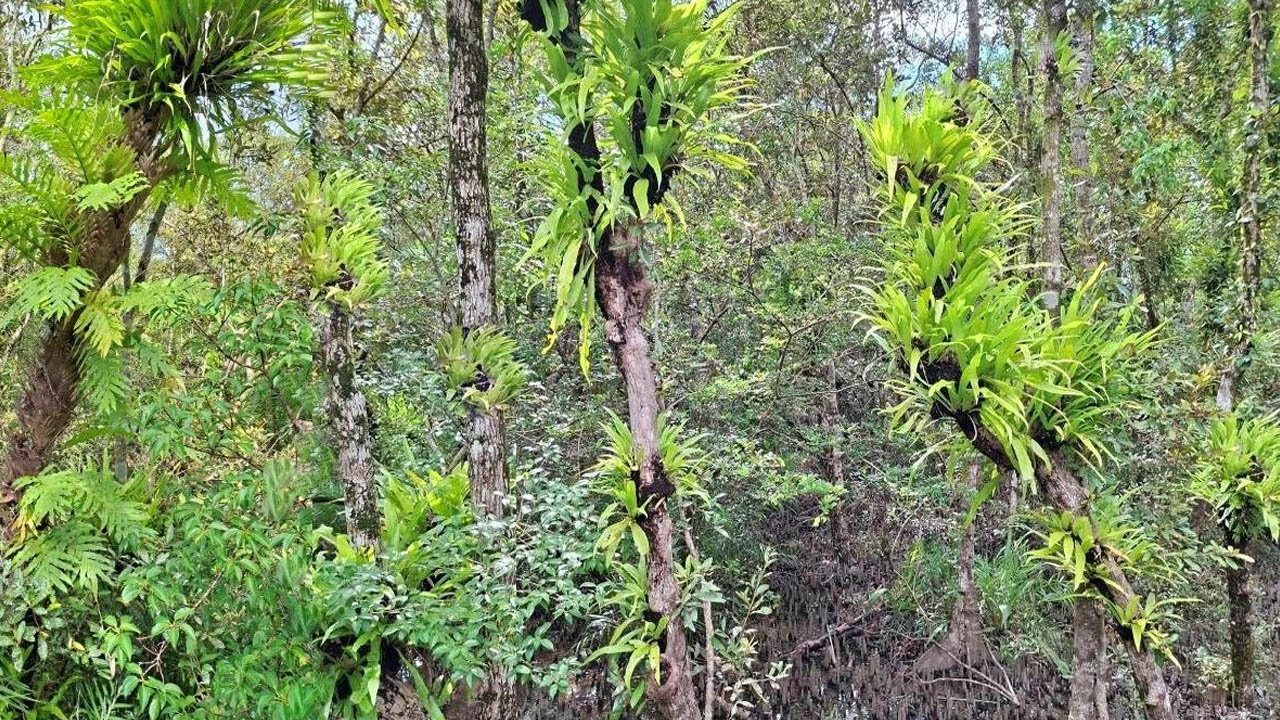
The Sundarbans, the world's largest mangrove forest, stretches across the southwestern region of Bangladesh. Recognized as a UNESCO World Heritage Site, the forest plays a vital role in maintaining the country's ecological balance, conserving biodiversity, and protecting coastal areas from natural disasters such as cyclones and storm surges. The Sundarbans itself derives its name from the Sundari tree, which once dominated much of the forest.
The Sundari tree is not only a valuable forest resource but also a cornerstone of the coastal ecosystem. Its roots help prevent soil erosion, while its fallen leaves and root systems provide essential habitats for fish, shrimp, and various aquatic species.
However, after years of struggling against top-dying disease and increasing salinity, the forest's dominant tree species is now facing a new threat. Parasitic plants (mistletoe-like parasites) are rapidly spreading throughout the forest, disrupting the normal growth of Sundari trees and gradually weakening them.
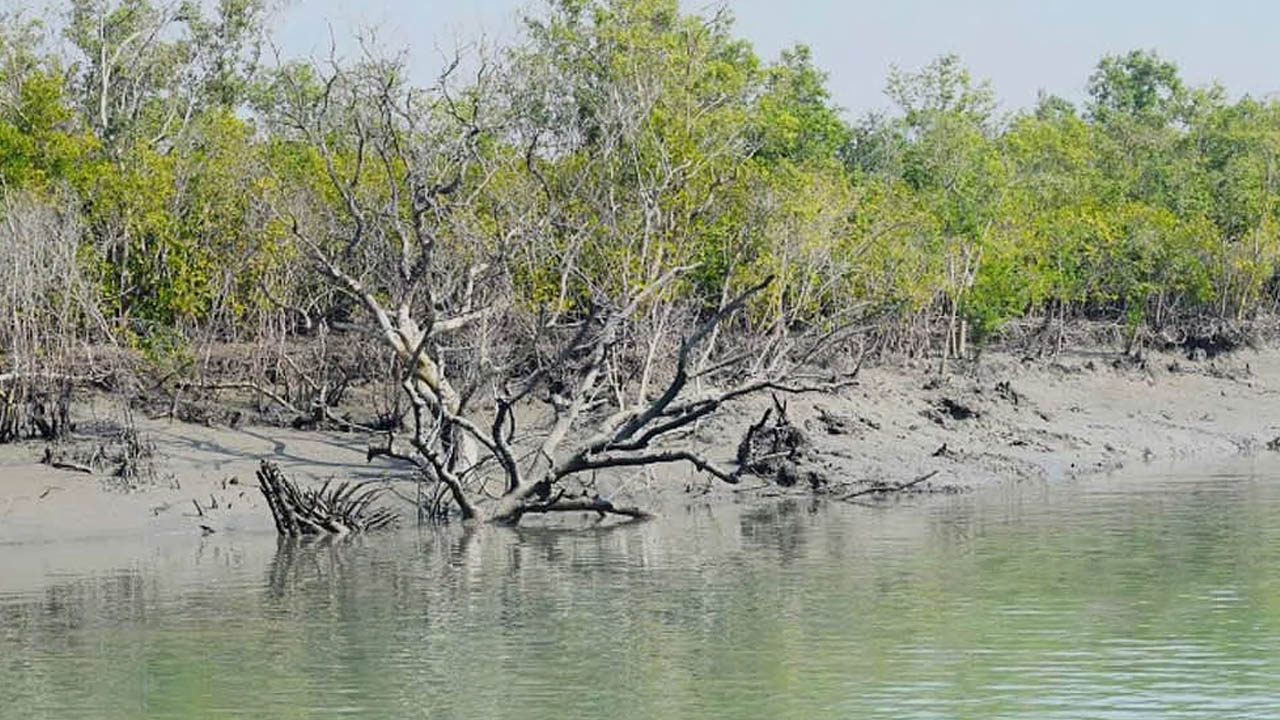
Forest officials and environmental experts warn that without immediate and effective intervention, the iconic tree that gave the Sundarbans its name could face a serious threat to its survival within the coming decades.
According to those concerned, parasitic plants were previously found mainly on branches and twigs, but they are now spreading to the trunks and even the base of Sundari trees. As a result, infected trees become increasingly vulnerable to disease and gradually dry out. The rapid expansion of these parasites in recent years has heightened concerns among forest conservationists.
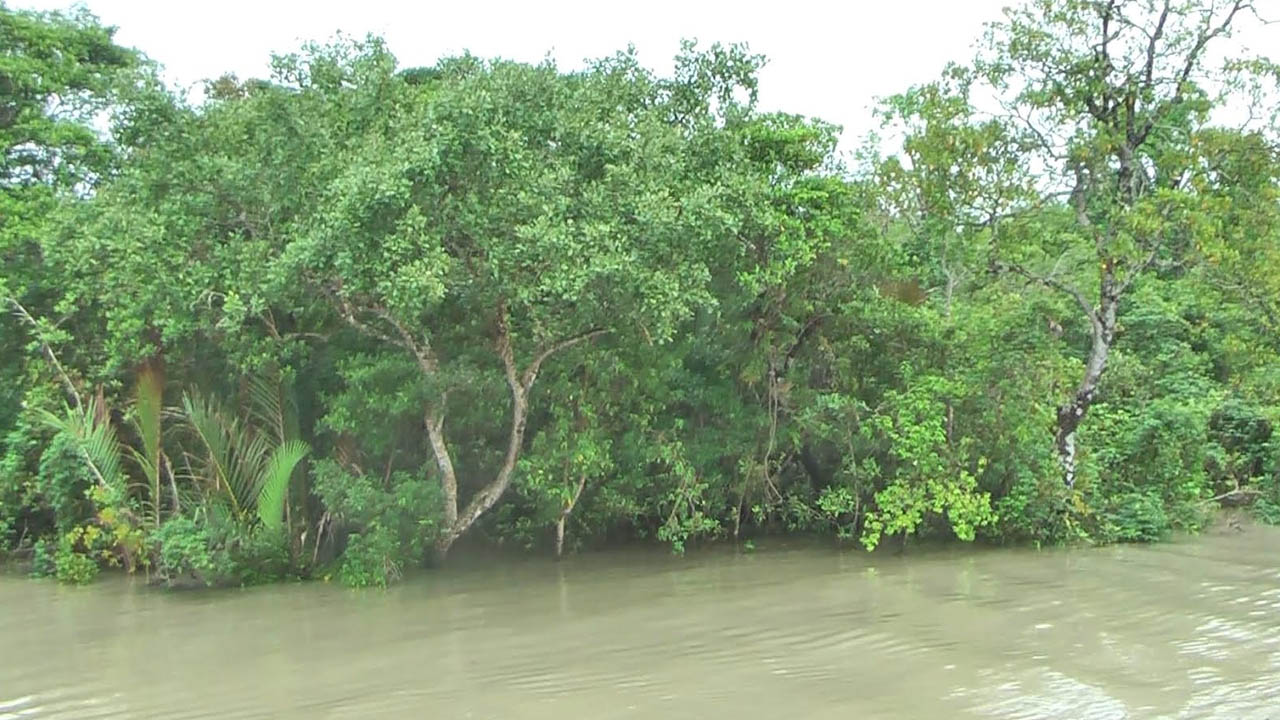
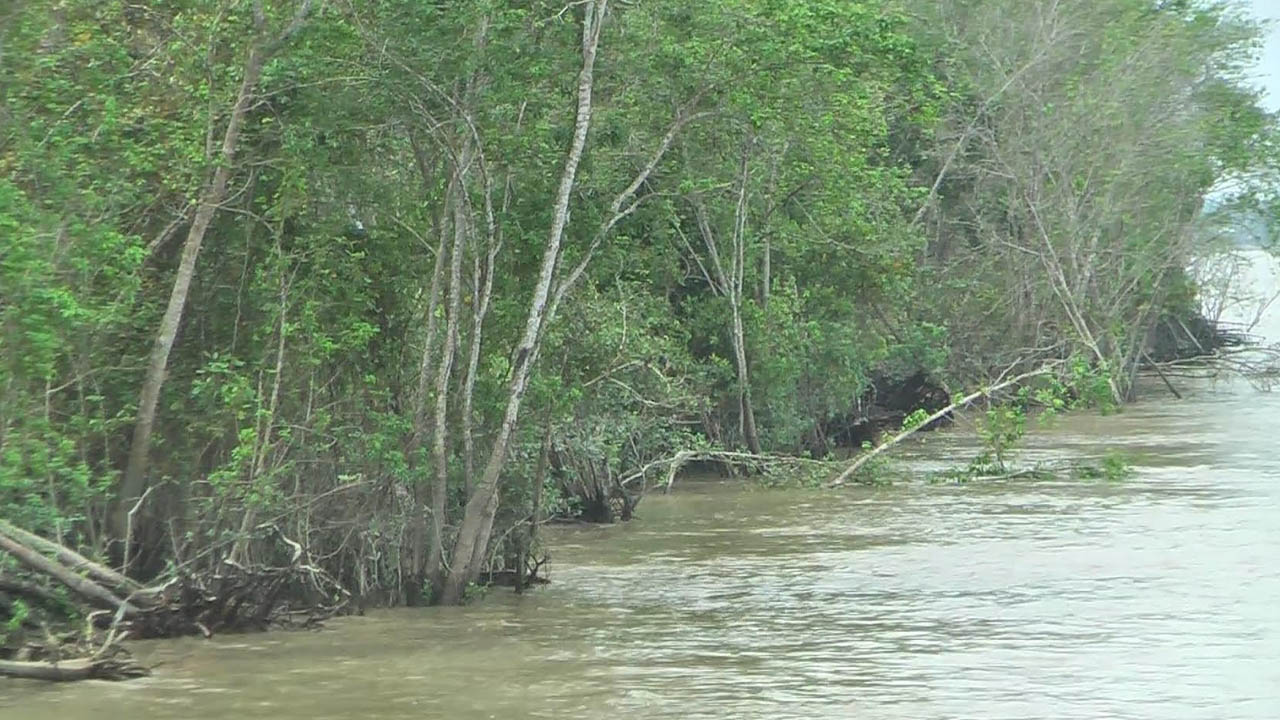
According to the Forest Department, approximately 16 kilometers of the Bhola River, which flows through the Sharankhola and Chandpai Ranges of the eastern Sundarbans, has become heavily silted over time and is now locally known as the "Dead Bhola." The reduced navigability of the river has disrupted water flow into the forest's internal canals, negatively affecting the region's plant diversity.
Experts say that the reduction in natural water circulation is weakening Sundari and other mangrove species, making them more susceptible to top-dying disease and parasitic plant infestations. In many parts of the forest, numerous Sundari trees can already be seen standing dead and dried out.
According to the Forest Department, the Bangladesh portion of the Sundarbans covers approximately 6,517 square kilometers. The forest is home to more than 100 plant species and hundreds of species of wildlife. Around one million people depend directly or indirectly on the forest and its resources for their livelihoods. Fishing, crab harvesting, honey collection, harvesting nipa palm leaves, and tourism all rely heavily on the health of the Sundarbans.
Professor Dr. Wasiul Islam of the Forestry and Wood Technology Department at Khulna University said that increasing salinity and climate change are rapidly altering the ecological conditions of the Sundarbans. If the number of Sundari trees continues to decline due to top-dying disease and parasitic plants, the entire food chain and ecosystem could face severe risks.
He added that protecting the Sundari tree would be difficult without a coordinated strategy that includes controlling parasitic plants, addressing salinity, and restoring rivers and canals through dredging.
Rezaual Karim Chowdhury, Divisional Forest Officer (DFO) of the Eastern Sundarbans Division, said that parasitic plants have now become a major threat to Sundari trees.
Signs of infestation have been observed in approximately 25 to 30 percent of the Sundari trees across the forest, making the situation deeply concerning. He stressed that urgent research and effective management measures are needed to halt the spread of these parasitic plants.
He further noted that, under the Sundarbans Protection Project, parts of the silted Bhola River have already been dredged. Although the work is currently suspended, there are plans to excavate the remaining sections in the future.
Once water flow in the Bhola River is restored, it is expected to improve water circulation across vast areas of the forest, help restore ecological balance, and contribute significantly to the recovery of the Sundarbans' overall vitality.