
Landslide risks increase during monsoon, yet hazardous settlements continue to grow
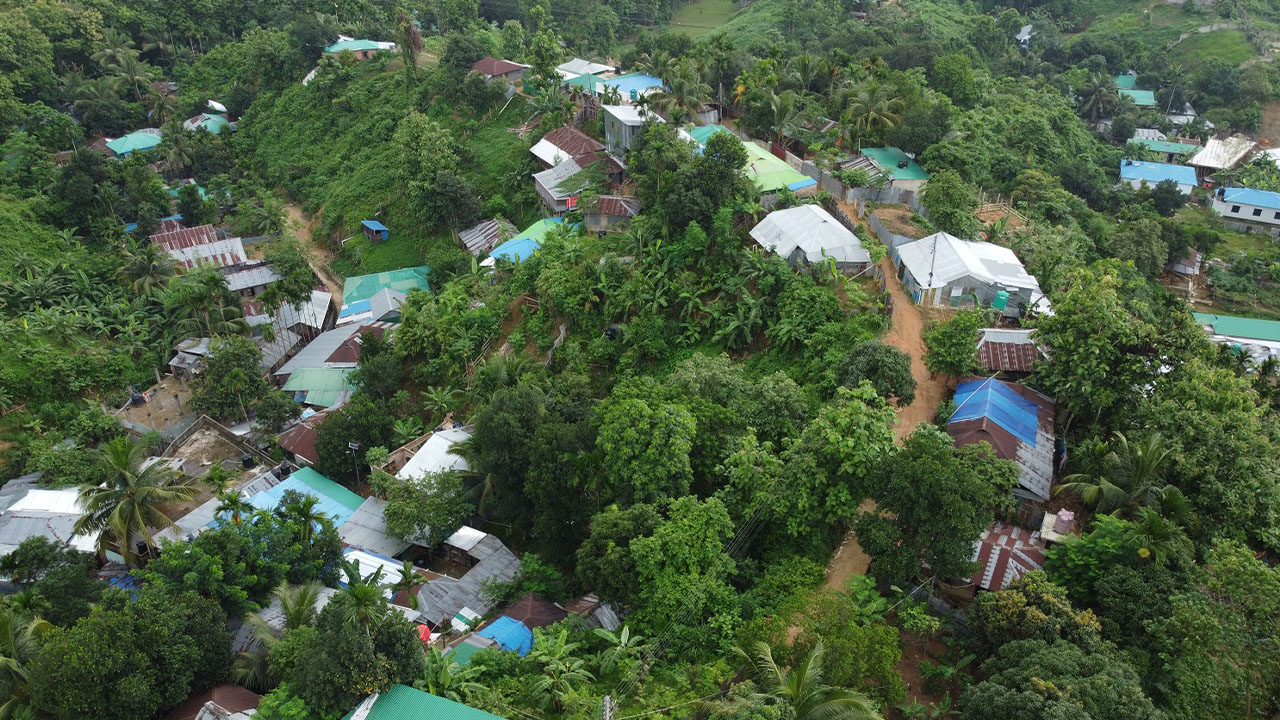
With the arrival of the monsoon season, concerns over landslides in Rangamati rise sharply. However, the establishment of settlements at the foothills of hillsides has not stopped.
Despite government restrictions imposed after the devastating landslides of 2017 and 2018 that claimed 131 lives, the number of settlements in high-risk areas has not decreased over the past nine years; instead, it has increased severalfold.
According to the district administration, 126 high-risk zones have currently been identified across the district, where more than 20,000 people from approximately 6,000 families are living under severe landslide threats.
In areas such as Shimultali, Rupnagar, Sanatan Para, Jubo Unnayan, and Rangapani in the town, settlements have sprung up on both sides of the hills like mushrooms after rain. The situation is no longer limited to Rangamati Sadar; nearly all upazilas in the district now face similar conditions.
Despite being aware of the risks, low-income residents are unwilling to leave their homes. Md. Nasir Uddin, a resident of Bhedbhedi Notun Para, said:
“I have been living here since 2015. When I bought the land, there were no good roads, internet, or cable television services, and land prices were much lower. Now, with paved roads and other facilities available, land values have increased several times. Whenever we hear about nearby landslides during the monsoon, we move to shelters.”
Another resident, Md. Omar Faruk, said that although the administration advises them to move to shelters every monsoon season, they do not want to abandon their homes unless a permanent rehabilitation arrangement is provided.
Md. Ibrahim Khalil, community leader of Bhedbhedi Muslim Para, said:
“Many facilities have improved here since 2017. The people living here are mostly low-income earners who cannot afford to rent houses in town. If the government asks us to leave, where will we go? We will agree to relocate only if the government provides us with a safe place to live.”
Omar Faruk, President of the Rangamati District Anti-Corruption Prevention Committee, said that administrative activities intensify only during the monsoon season. Instead, he argued, authorities should permanently prevent the establishment of settlements in risky areas and adopt long-term planning measures.
Former Mayor of Rangamati Municipality, Saiful Islam Bhutto, stated that settlement in high-risk areas must be discouraged. He added that if the government undertakes rehabilitation initiatives for those already living there, future risks could be significantly reduced.
Regarding the overall situation, Rangamati Deputy Commissioner Nazma Ashrafi said that meetings have been held with all relevant departments as part of monsoon preparedness efforts, and awareness campaigns are being conducted regularly through loudspeaker announcements. To ensure that residents move to safety as soon as heavy rainfall begins, 204 shelters have been prepared across the district.
Speaking about a permanent solution, she said, “We are exploring ways to provide a lasting solution, either through rehabilitation or other measures for those living in vulnerable areas. Since land management here involves numerous legal procedures, we are working with the government to simplify the process and make their settlements safer.”