
Has Iran talks exposed a crisis in US diplomacy
The primary responsibility of a country's professional diplomatic corps is to safeguard the national interest. Diplomats are expected to conduct negotiations in a way that places the interests of the state above personal gain. However, during Donald Trump's second term, US diplomacy has entered an unusual period of crisis.
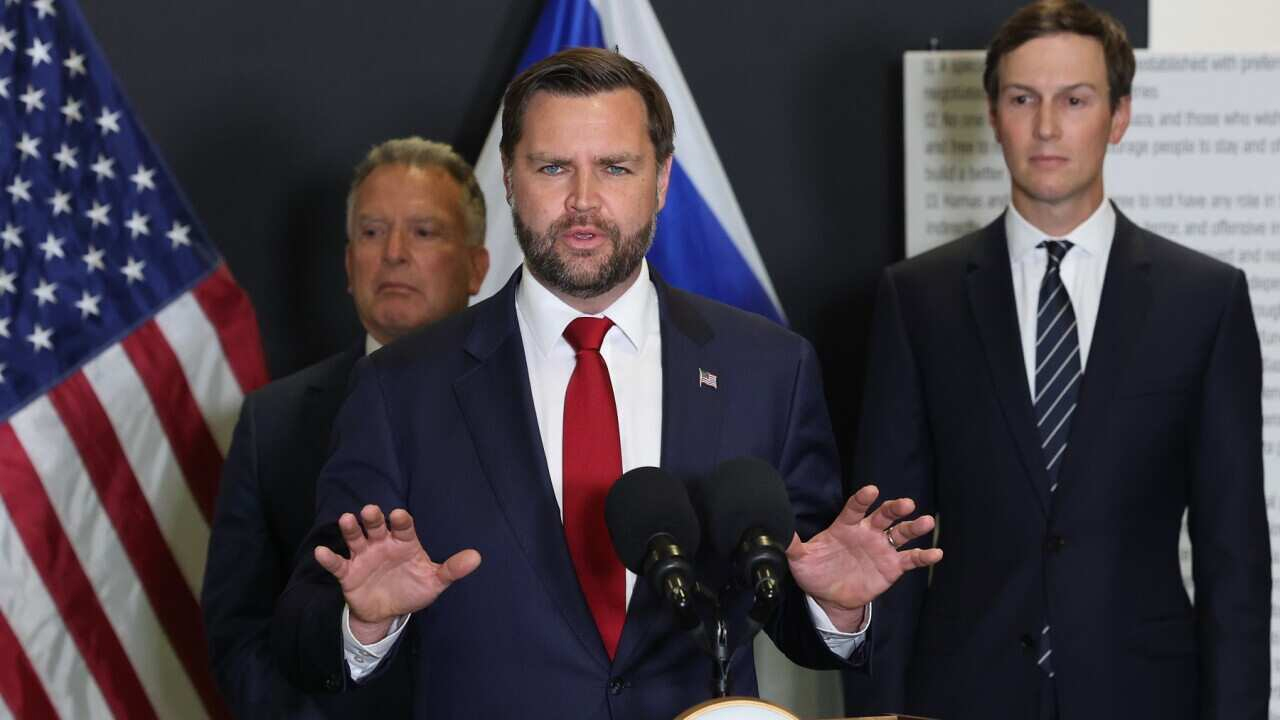
The United States' highly significant negotiations with Iran are now being handled by a team led by Vice President JD Vance and two real estate businessmen. Both businessmen also have side interests in the cryptocurrency industry.
Jared Kushner and Steven Witkoff are widely viewed as lacking the background typically required for high-level international diplomacy. Kushner's most prominent qualification is that he is Donald Trump's son-in-law, a family connection that helped him secure an influential role in U.S. foreign policy. Trump's support has extended to Kushner's family as well. Kushner's father, Charles Kushner, was convicted in a criminal case in 2005. Trump later pardoned him and, in 2025, appointed him as the U.S. ambassador to France.
Steven Witkoff's diplomatic experience is even more limited. According to Trump, Witkoff's greatest achievement is overseeing the financing and construction of more than 70 real estate projects.
Trump argues that experience in business negotiations can be valuable in diplomacy. However, in the cases of Kushner and Witkoff, the problem extends beyond a lack of diplomatic experience. Their personal business interests have created significant concerns about conflicts of interest.
In 2021, Kushner founded an investment firm called Affinity Partners. According to a 2025 report, the firm manages assets worth more than $5 billion. Much of this capital has come from the sovereign wealth funds of Saudi Arabia, the United Arab Emirates, and Qatar. Even in March 2026, when tensions between the United States and Iran were at their peak, Kushner was reportedly still seeking investments from Gulf states.
Steven Witkoff faces similar concerns. In 2024, he invested in a cryptocurrency venture owned by the Trump family called World Liberty Financial. Just four days before Trump was sworn in as president on January 20, 2025, a company from the United Arab Emirates acquired a 49 percent stake in the business.
Under the U.S. Constitution, government officials are prohibited from accepting gifts or financial benefits from foreign governments without congressional approval. In the cases of Kushner and Witkoff, the potential conflict of interest appears evident. On one hand, they are representing the United States in Middle East peace negotiations; on the other, they are receiving investments for their private business ventures from countries in the same region. This situation raises concerns about the impartiality of U.S. diplomacy and the possibility that personal commercial interests could take precedence over America's broader national interests.
Kushner also has deep personal and financial ties to Israel. His family's foundation has provided substantial financial support to Israeli settlers and the Israeli military. During diplomatic discussions, Kushner has also publicly praised Israeli soldiers.
Kushner and Witkoff reportedly view Gaza largely as a potential real estate investment opportunity. Kushner has promoted a proposal known as "Project Sunrise," which envisions transforming Gaza's coastline into a luxury hotel destination. Under the plan, ordinary Palestinians would be relocated to designated industrial and residential zones with restricted movement.
According to Israeli media reports, if Kushner's proposal were implemented, around 70 percent of Gaza's coastal area would be used for commercial purposes over the next decade.
Professional American diplomats have certainly made mistakes in the past, but they generally sought to advance U.S. national interests. Critics argue that the growing influence of figures such as Kushner and Witkoff has become a source of ridicule within Washington's diplomatic community. Countries in the Middle East may also conclude that investing in Kushner's or Witkoff's companies is more beneficial than negotiating directly with the United States.
President Trump is determined to secure an agreement at almost any cost. However, critics contend that agreements negotiated by inexperienced figures with substantial private business interests are unlikely to prove durable. While such deals may appear advantageous in the short term, they could ultimately lead to significant long-term consequences. Kushner and Witkoff may be able to secure agreements quickly because they enjoy Trump's confidence, but those agreements may fail to protect America's long-term national interests.
Author: Josh Paul is the co-founder of A New Policy, a non-profit, non-partisan organization. In 2023, he resigned from the U.S. State Department in protest over the Biden administration's policy on Gaza.