


Kamal Sahriar: Working for Stronger and More Resilient Media in Bangladesh

Bangladesh's media landscape has changed significantly over the past decade. Newspapers and television channels now work alongside online platforms and social media to reach audiences. At the same time, journalists are dealing with new challenges, including misinformation, manipulated content, online harassment and growing pressure in digital space.

Md Kamal Hossain (known universally to the media fraternity as Kamal Sahriar) has experienced this changing media environment from different positions.
With more than 15 years of experience in print, television and digital journalism, he has worked in some of the country's leading media organisations. His career has taken him from newspaper newsrooms to television, digital media and, more recently, media development.
He is currently working with BBC Media Action Bangladesh, where his work focuses on information integrity, journalist training, digital verification, newsroom development and media resilience.
A career across different media platforms
Kamal started his journalism career in Bangladesh's print media. He worked with national newspapers including The Daily Ittefaq and The Daily Sangbad, gaining experience in reporting and newsroom operations.
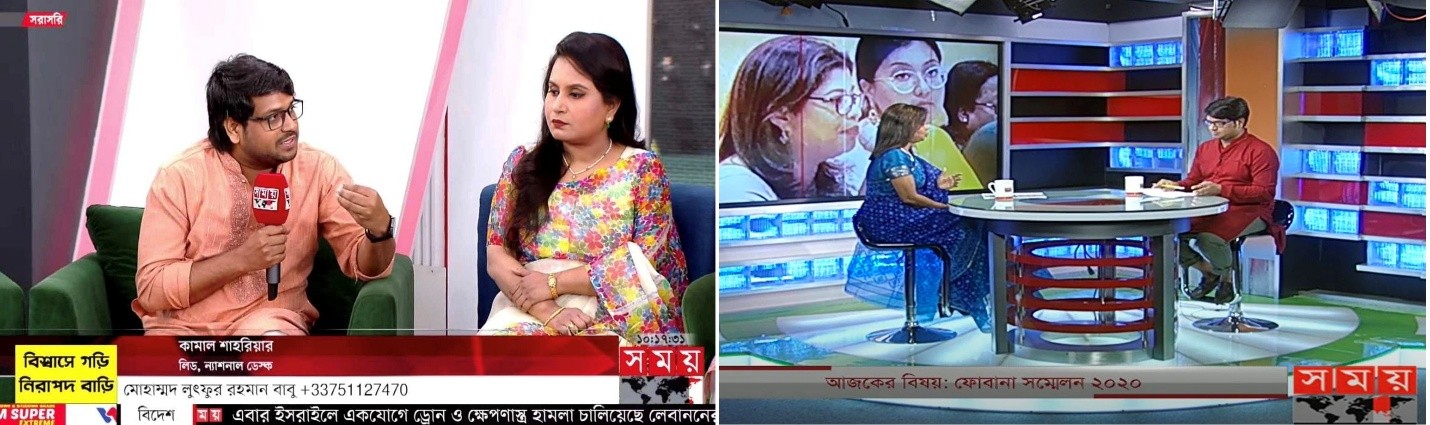
He later moved into television journalism as Bangladesh's broadcast media sector continued to grow. At Somoy TV, he worked in different newsroom leadership roles over several years. He was involved in managing national news operations and coordinating with reporters from different parts of the country.
As digital journalism became increasingly important, he moved into multimedia and digital newsroom operations. His work involved bringing together television, website and social media content.
"Journalism is no longer limited to a single platform," he says. "Today, newsrooms have to think about television, websites, social media and mobile audiences. But the basic principles of journalism remain the same. Information has to be accurate and properly verified."
During his time in television, he was also involved in presenting programmes, including Adommo Bangladesh, Tarunner Somoy and Samprotik Bhabna. He later worked with Ekhon TV, where he was involved in countrywide newsroom operations workflow. He is one of the members who had joined founding time of this TV.
A challenging period for journalists
The political changes of 2024 brought significant challenges for Bangladesh's media sector.
Journalists and media organisations faced uncertainty, security concerns and different forms of pressure. Questions were also raised about editorial independence and the ability of newsrooms to operate freely. Kamal was among media professionals who experienced this difficult period directly.
In December 2024, a controversy involving several senior media professionals at Somoy TV led to the loss of jobs for a number of journalists, including Kamal Sahriar. The incident drew attention to wider concerns about pressure on journalists and editorial independence.
For Kamal, the experience highlighted the importance of stronger institutional protection for journalists.
"Journalists cannot depend only on personal courage," he says. "News organisations need proper systems and policies to protect editorial independence and the professional rights of journalists."
After this incident he joined at Ekushey Television (Bangladesh first terrestrial TV channel) as Head of Digital. Then Kamal joined BBC Media Action as a Media Development Officer on July 2025.
Learning from BBC Verify
The rapid growth of misinformation has made verification an increasingly important part of journalism.
Images and videos shared online can be misleading, old content can be presented as new, and artificial intelligence is making it easier to create convincing but false material.
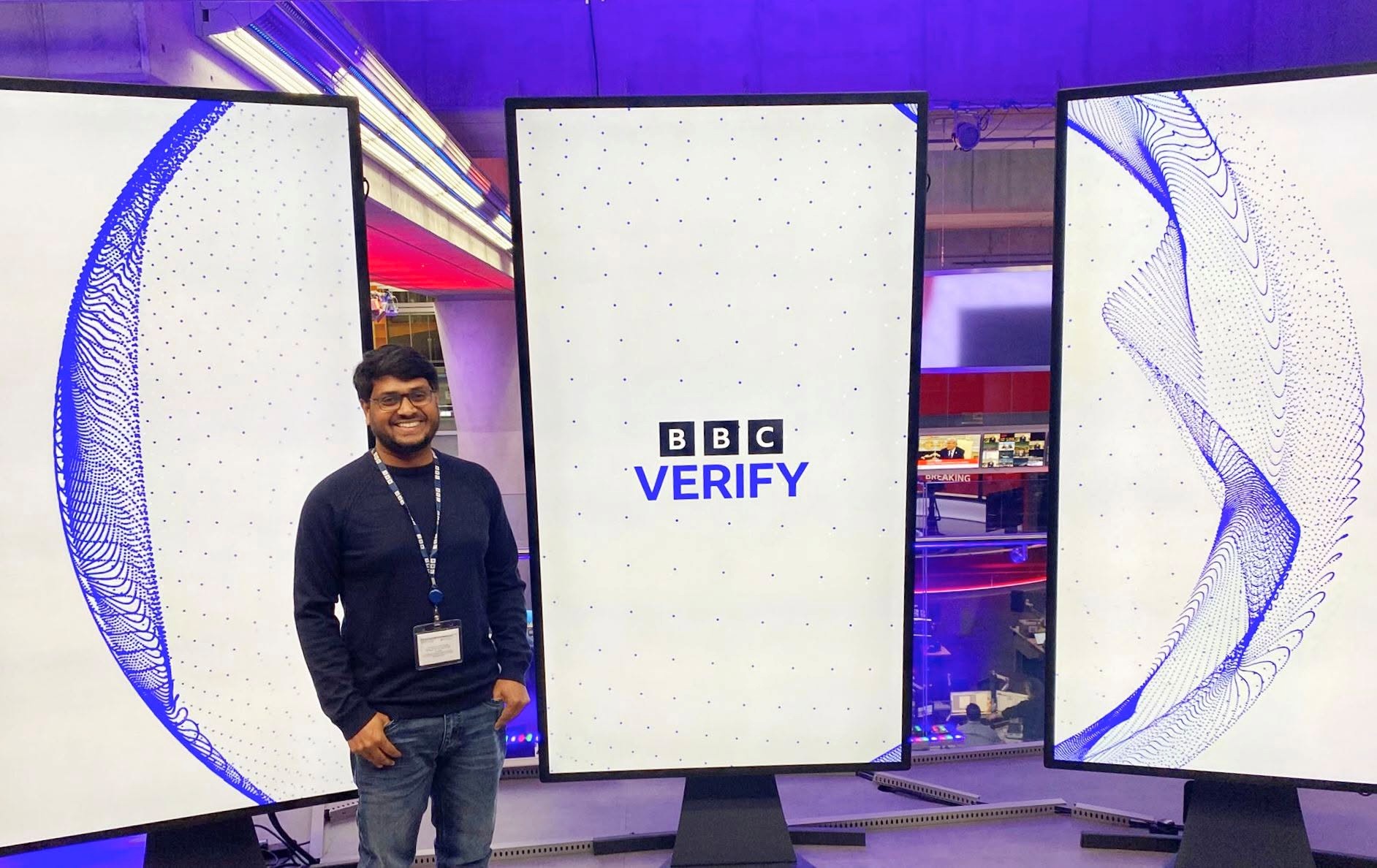
Against this background, Kamal Sahriar had the opportunity to undertake a professional placement with the BBC Verify team in London.
The experience gave him an opportunity to observe different methods of digital verification and open-source investigation. These included image and video verification, geolocation and the use of publicly available information to examine online claims.
For Kamal, the important question was how these methods could be useful for journalists working in Bangladesh.
"Not every journalist has access to advanced technology or a large team," he says. "So verification methods need to be practical and suitable for the realities of local journalism."
Training journalists and media professionals
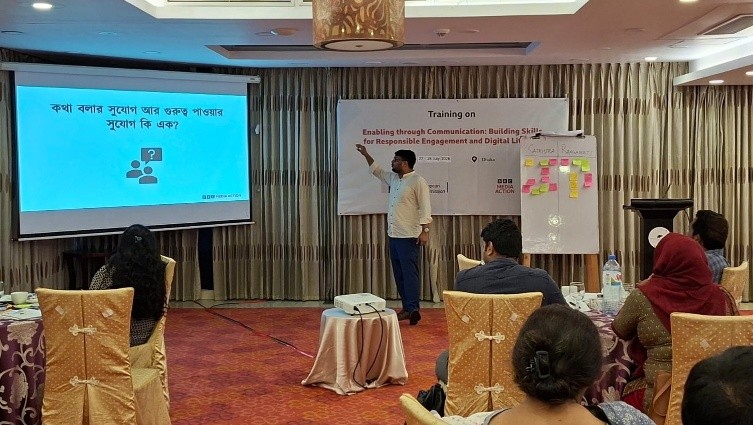
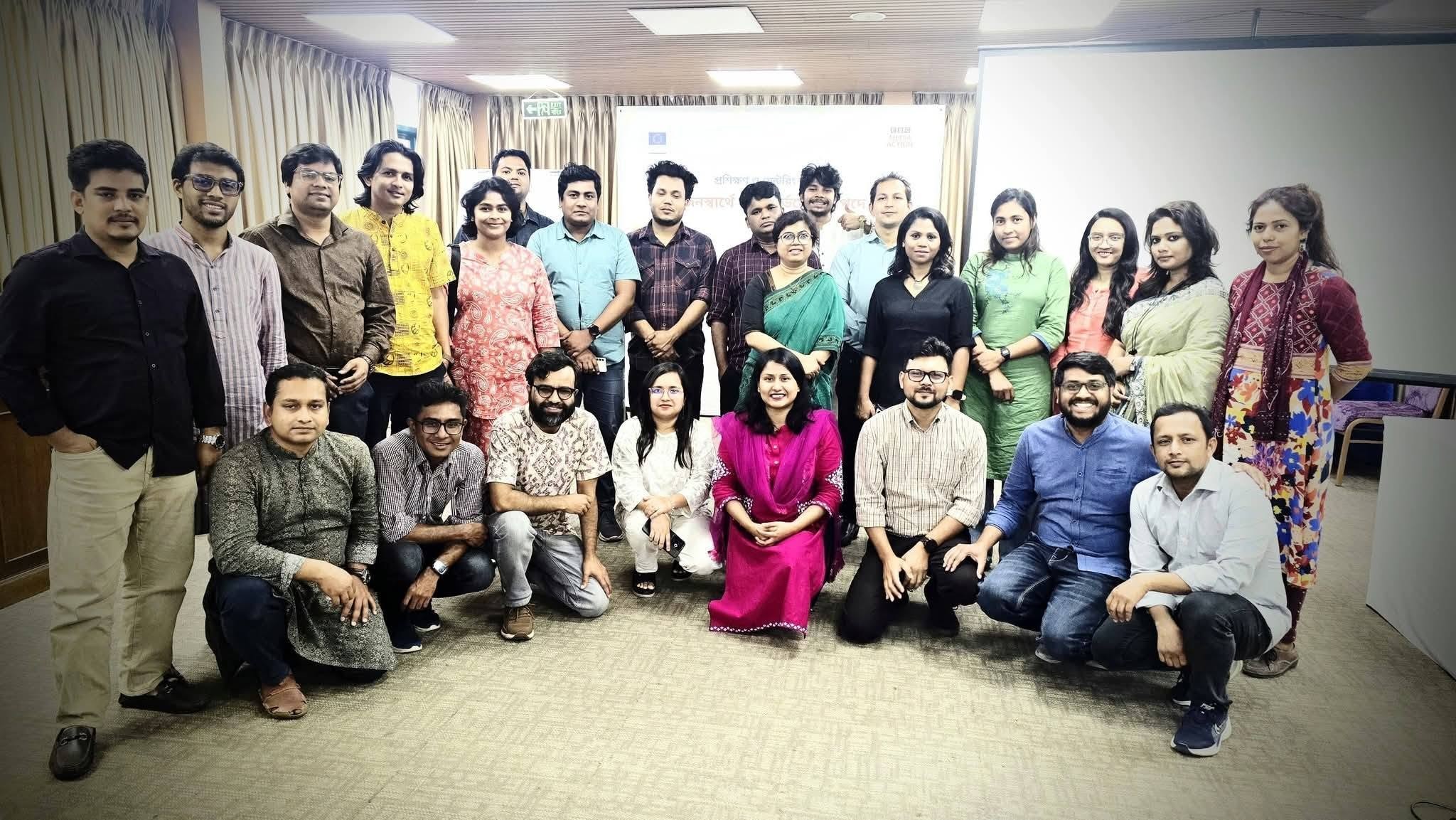
Since moving into media development, Kamal Sahriar has been involved in training journalists and other media professionals in different parts of Bangladesh.
His work covers areas such as digital media literacy (DML), digital verification, countering misinformation, digital safety and the responsible use of artificial intelligence as well as audience centered public interest journalism (PIJ).
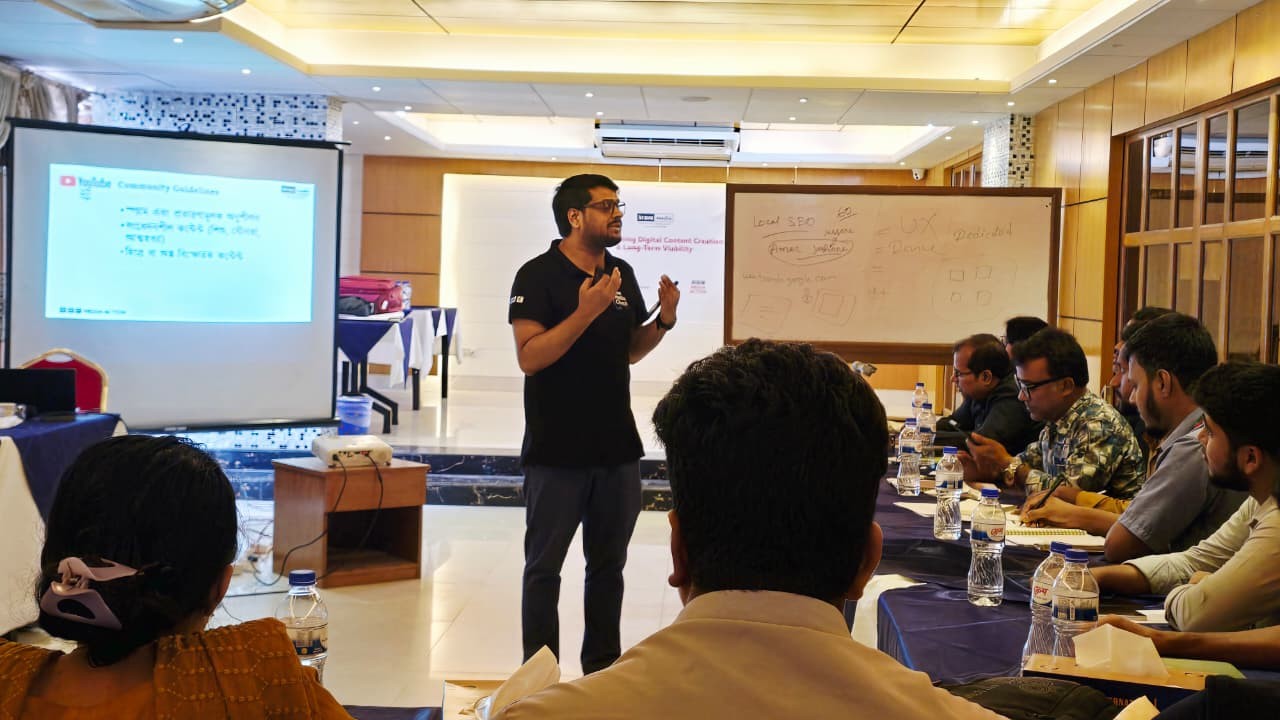
The training focuses on practical issues that journalists face every day. These include verifying information from social media, checking images and videos, identifying misleading content and improving digital security.
According to Sahriar, journalists working outside Dhaka also need greater access to professional training and verification tools.
"Local journalists are often the first to report important events," he says. "They need the skills and support to verify information quickly and accurately."
A focus on safety and inclusion
Sahriar's work also includes journalist safety and creating more inclusive newsrooms. Women journalists in Bangladesh continue to face challenges, including workplace discrimination, online harassment and security concerns. He believes news organisations need stronger policies and practical systems to create safer working environments.
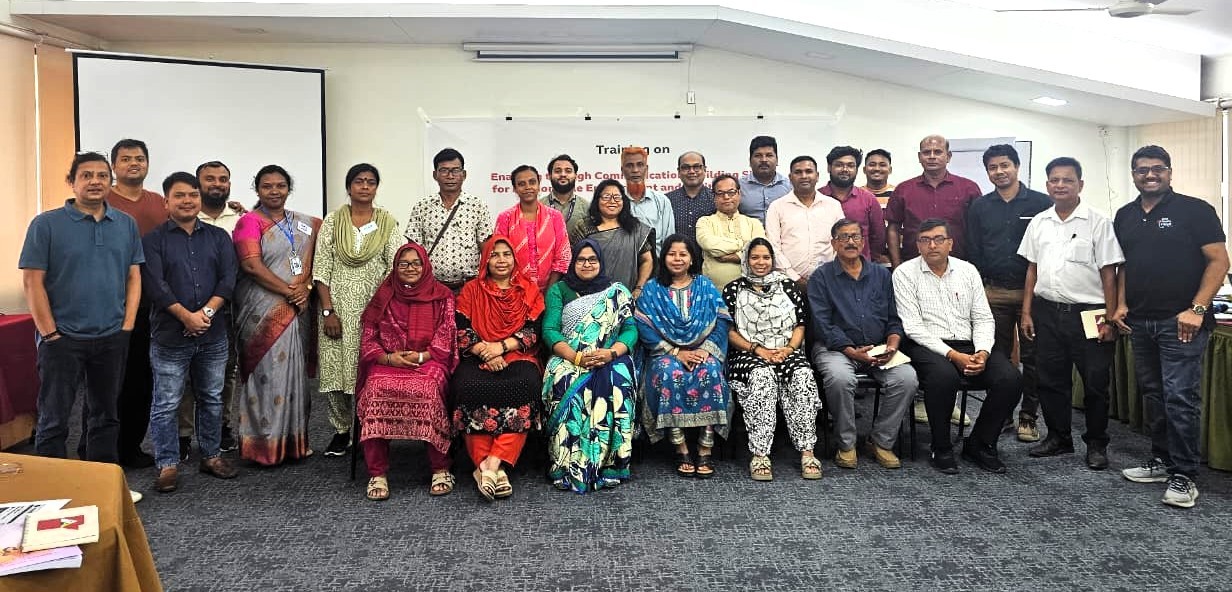
"A good newsroom should be safe for everyone," he says. "If journalists do not feel safe or respected at work, it becomes difficult to produce quality journalism."
He believes gender equality should be reflected not only in organisational policies but also in everyday newsroom practices and decision-making.
"Not only Journo, already I had trained more than 100 CSO, HRD members alongside local community-based organisations member for the better society. So that they can identify mis-dis information and train local mass people," added Kamal Sahriar.
Climate and public information
Bangladesh is highly vulnerable to climate-related disasters. Cyclones, floods, extreme heat and changing weather patterns affect millions of people every year.
Kamal has also been involved in work related to climate and weather information. His focus is on helping journalists communicate complex scientific and weather information in ways that ordinary people can understand and use.
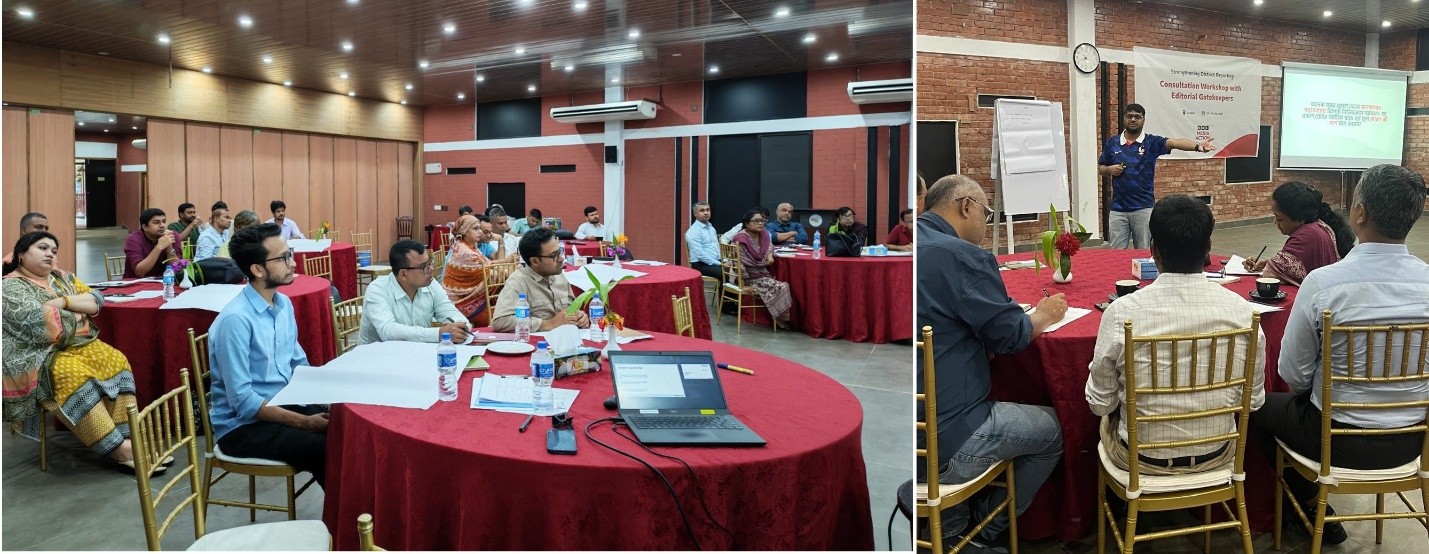
He believes climate journalism should not only report disasters after they happen. It should also help people prepare before a crisis.
"If people receive reliable information early, they can often make better decisions and take steps to protect themselves," he says.
Looking ahead
Bangladesh's media industry is now going through another major period of change. Artificial intelligence is changing the way content is produced. Social media is changing how people consume news. At the same time, misinformation and manipulated content are creating new challenges for journalists.
For Kamal Sahriar (Md Kamal Hossain), technology will continue to change, but the basic responsibility of journalism will remain the same.
"The platforms will change, and technology will change," he says. "But journalism will always need accurate information, verification and public trust."
From print journalism to television, digital newsrooms and media development, Kamal Sahriar's career reflects many of the changes that Bangladesh's media industry has experienced over the past 15 years.
Today, his work is focused on helping journalists and media organisations become better prepared for the challenges ahead, while continuing to protect one of journalism's most important responsibilities: providing people with reliable information.
=========
Source Link: https://www.bbc.co.uk/mediaaction/where-we-work/asia/bangladesh/bbc-verify-placement-blog