
Women face persistent barriers to political leadership despite progress: Study
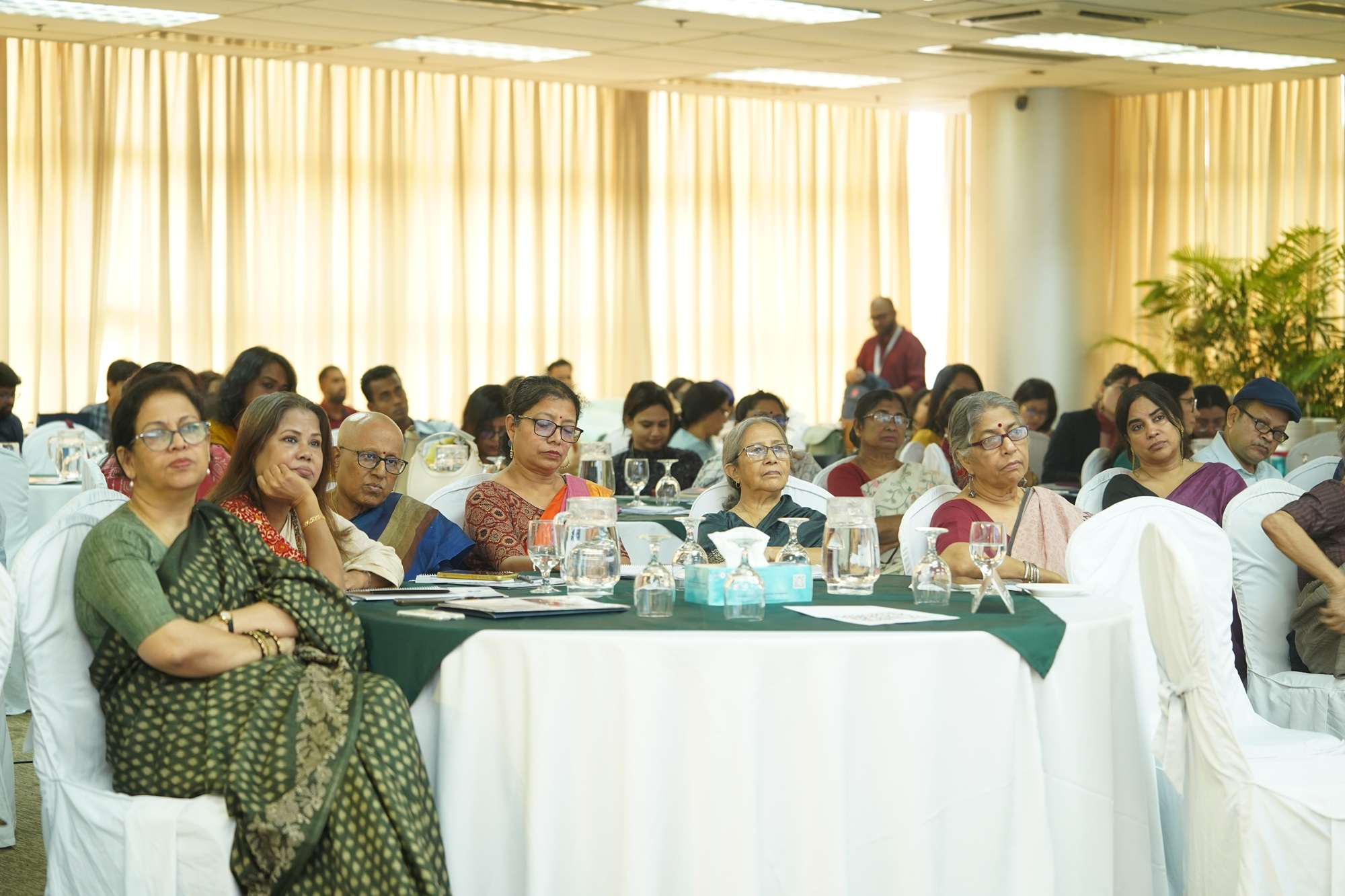
Violence against women in politics, entrenched patriarchal attitudes, financial limitations, and unequal social responsibilities continue to hinder women's meaningful participation and leadership in Bangladesh's political sphere, according to a new study unveiled on Saturday.
The qualitative study, jointly launched by the BRAC Institute of Governance and Development (BIGD), BRAC University, and UN Women, examined the opportunities and challenges shaping women's political participation, representation, and leadership in Bangladesh.
Conducted under the United Nations Electoral Assistance Programme (DRIP/BALLOT), the research is based on 43 in-depth interviews with women parliamentarians, local government representatives, political party members, and public office holders, alongside a review of relevant legal and policy frameworks.
The findings were presented at a dialogue organized by BIGD, bringing together lawmakers, election officials, political party leaders, development partners, and researchers to discuss ways to strengthen women's role in democratic processes.
The study identifies violence against women in politics (VAWP), both online and offline, as one of the most significant deterrents preventing women from entering and advancing in political life. While Bangladesh's Constitution guarantees equal rights and legislative measures have increased women's representation at the local government level, the report notes that multiple structural barriers continue to limit their full participation.
Speaking at the inaugural session, BIGD Executive Director Dr. Imran Matin emphasized the importance of discussing women's political participation in Bangladesh's evolving political landscape.
"We cannot discuss women in isolation from their broader participation in public life, political activism, and leadership roles within political parties," he said, stressing that future policy discussions should be guided by evidence-based research.
UN Women Bangladesh Country Representative Gitanjali Singh highlighted the crucial role women play in strengthening democracy and governance.
She noted that women's participation in decision-making contributes to more inclusive policymaking in sectors such as health, education, childcare, infrastructure, and efforts to combat violence against women. Excluding women from public life and economic participation, she warned, weakens democratic institutions and societal progress.
State Minister for Social Welfare Farzana Sharmin, who attended as chief guest at the opening session, shared her personal experiences of political challenges and gender-based discrimination.
She recalled facing criticism over her family background and constituency ties before becoming the target of coordinated online and offline harassment during her political journey. While some of those responsible were penalized by the Election Commission, she said the experience revealed the immense obstacles women continue to face.
"If someone from a politically established family can face such hostility, one can only imagine the difficulties encountered by women from less privileged backgrounds," she remarked, urging participants to take the discussion beyond conference halls and into communities across the country.
The issue of reserved parliamentary seats also featured prominently in the discussion. Member of Parliament Rasheda Begum Hira argued that reserved seats remain an important mechanism for building trust between women representatives and citizens.
According to her, public attitudes toward female political leaders have improved significantly over the years, creating greater acceptance of women's leadership roles.
However, Monira Sharmin, Central Convenor of Jatiyo Nari Shakti and Joint Convenor of the National Citizen Party, pointed to persistent gender inequalities within political organizations themselves.
She observed that decisions concerning women's political participation are often made by male leaders, while capable female candidates are frequently overlooked for direct nominations and instead encouraged to seek reserved seats.
The research also highlighted challenges faced by women contesting elections. Independent Member of Parliament Rumeen Farhana underscored the importance of independent institutions in ensuring a level playing field.
Drawing from her own electoral experience, she credited the Election Commission and security agencies for helping maintain a generally fair electoral environment despite obstacles faced during her campaign.
Addressing the challenges experienced by women with political family connections, Taslima Akhter, a member of the Political Council of Ganosamhati Andolon, said women candidates are often judged through the identities of their husbands or relatives rather than their own achievements.
She argued that her long-standing activism and advocacy for workers' rights should have been sufficient to establish her political credentials.
Speakers also raised broader concerns about legal and economic inequalities affecting women. Dr. Manisha Chakraborty of the Bangladesher Samajtantrik Dal (BASAD) questioned whether genuine political equality can be achieved without equal rights in other spheres of life.
She argued that women are expected to compete on equal terms despite facing unequal legal standards, social expectations, and economic constraints, making the political arena inherently uneven.
Offering a more optimistic perspective during the closing session, Election Commissioner Brigadier General (Retd.) Abul Fazal Md. Sanaullah said women's participation in elections has increased in recent years.
He noted that political parties are increasingly relying on women to engage voters and conduct campaign activities. However, he stressed that ensuring women not only participate but also influence political decision-making remains a critical challenge.
Former Adviser of the interim government, Farida Akhter, former caretaker government Adviser and education activist Rasheda K. Chowdhury, former CPB General Secretary Ruhin Hossain Prince, and Corinne Thévoz, Deputy Head of Cooperation at the Embassy of Switzerland in Bangladesh.
Participants concluded that while Bangladesh has made notable progress in expanding women's political representation, addressing violence, discrimination, and structural inequalities remains essential for ensuring their meaningful participation and leadership in the country's democratic future.