
Aids patients increased by 22pc in a year: Test shortage blamed
• 2,305 new cases and 285 deaths were recorded in a year.
• Cases among high-risk populations went up by 11%. Most of the patients were young people.
• Social stigma and negative perceptions continue to be barriers to progress.
• Experts say government policy failures are making it harder to control the disease.
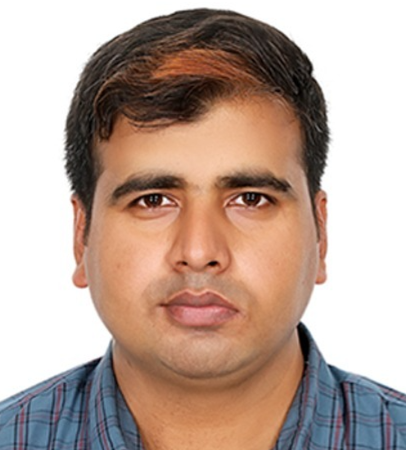

Imtiaz Hossain (pseudonym), a 37 aged person, returned home from abroad after 10 years.
Imtiaz was diagnosed with tuberculosis and later suffered several other ailments. HIV infection was also a concern. After returning to Bangladesh last September due to his poor health, Imtiaz received medical care. Further testing at the National Institute of Infectious Diseases Hospital in the capital confirmed that he had AIDS.

Imtiaz is far from being an isolated case. Over the last year, 2,305 HIV/AIDS cases were diagnosed in Bangladesh. Many of these patients had in fact been living with HIV for some time. Social attitudes and myths have meant that often people have not accessed healthcare for their HIV infection.
Experts believe that while the statistics appear worrying, there is in fact a serious underlying problem. HIV is continuing to spread quickly within high risk groups of young people. However, strong social attitudes mean that many people are hiding their HIV status and so are often only diagnosed and offered medical care at a late stage.
Akhtar Jahan Shilpi, country programme manager for the AIDS Healthcare Foundation (AHF), told Asia Post that the prevalence of HIV in high-risk groups – such as men who have sex with men (MSM) and male sex workers (MSWs) – was likely to continue to grow.
"We do not want this to occur but in future days the figure could well continue to worsen. Although we are now paying greater attention to behaviour, we are not at the forefront of our minds offering healthcare to these people. People cannot be expected to instantly alter their behaviour simply upon instruction," she said.
Record HIV cases. HIV infections up by over 22%
According to the National AIDS/STD Control Programme, there are currently 19,843 people living with HIV/AIDS in Bangladesh. Within the last year alone, 2,305 cases were diagnosed.
These were diagnosed between November 2025 and October this year. Compared with the same time last year, there was therefore a 22 per cent increase. The majority of those newly diagnosed were aged between 25 and 49.
Analysis of STD programme data reveals that numbers of new cases have been steadily increasing for four years. Last year marked the first time that more than 1,000 people were newly diagnosed and numbers have since continued to grow.
There were 1,276, 1,438 and 1,891 new cases in 2023, 2024 and last year respectively.
Death toll also hits record high
Alongside the growing number of new HIV/AIDS cases, so too has the death toll from the virus.
Within the past year, 285 people died as a result of HIV/AIDS – an increase from 219 in the previous year. In 2024, 195 people died and in 2023, 266 people.
HIV testing and care services are available at 27 government-run hospitals, 16 medical college and district hospitals, and eight non-government drop-in centres throughout Bangladesh.
Nevertheless, despite ever-growing numbers of new diagnoses, the death toll from HIV is not yet well controlled.
HIV infections among young people in high-risk groups surge by 11%
This year, MSM and MSWs have been identified as responsible for 60 per cent of new HIV cases. Last year this figure was 49 per cent. Therefore, there has been an 11 percentage point rise in the percentage of new cases within high-risk groups.
Of the new cases, five per cent involved displaced Rohingya people. Eleven per cent were expatriates and their families. Four per cent were drug injectors. Sex workers accounted for one per cent and the remaining 18 per cent related to the general population.
The National Institute of Infectious Diseases Hospital identified the largest number of HIV/AIDS cases this year. For the first time, 394 people tested positive for HIV at the hospital. It also reported 38 deaths.
The hospital has a 25-bed specialised ward to care for those with HIV/AIDS. As of Saturday, 20 patients were being cared for in this ward.
On any given day, between six and 10 AIDS-related patients attend the hospital. Each month, the number of AIDS patients attending fluctuates between 170 and 200.
Mohammad Liton Khan, consultant and administrative officer at the National Institute of Infectious Diseases Hospital, told Asia Post that whilst in previous years the highest percentage of HIV cases had involved sex workers, the current main source of new cases was MSM and MSWs.
Furthermore, many of these individuals were young and came from a variety of backgrounds, together with expatriates and students. This was of cause for concern.
"Many may still be concealing their conditions despite experiencing symptoms. They do not feel confident enough to disclose their status because they lack a supportive environment. Some are even afraid to discuss the matter with people close to them. Once someone is known to be living with HIV, society develops a negative attitude towards that person," said Mohammad.
He also noted that the virus was becoming more widespread within social circles and in people’s homes. Students were also increasingly affected.
"Cases are being found among students ranging from secondary school to university and even medical college levels," he explained.
Comparable trends have also been seen in non-Dhaka centres offering HIV care.
Around 350 HIV/AIDS sufferers are routinely cared for at Jashore 250-bed General Hospital’s centre.
Sudeb Kumar Biswas, consultant and administrative officer at this centre, commented: "It has almost reached a point where being an MSM or MSW is associated with being a student. We listen carefully to those who come to us to understand how they contracted the virus and provide them with as much information as possible about prevention."
Across different centres there are variations in the number of new HIV cases. Nevertheless, a comparable trend has been seen in relation to students being infected with HIV at Dhaka, Rajshahi, Chattogram and Khulna Medical College Hospitals.
Commenting on this trend, Dr Md Khairuzzaman, director of Bangladesh’s National AIDS/STD Control Programme, told Asia Post that increased HIV case detection was partly due to higher testing and diagnosis rates in comparison to previous years.
"This is a good thing. Without diagnosis, it is impossible to implement preventative and medical care strategies," he stated.
Most recently diagnosed HIV sufferers fall within high risk groups such as MSM and MSWs. Although these high-risk groups have always existed, many have previously avoided the diagnosis and care process as the nature of their lives and identities has not generally been openly discussed.
"Now that they are gradually coming forward, we are able to identify more cases. However, the reasons behind the rising number of infections among young people require further research. The trend has been increasing continuously over the past two to three years," said Dr Khairuzzaman.
Individuals from schools, colleges, madrasas, medical colleges and universities were also infected, he noted.
"The reality is that MSM and MSWs existed in the past as well, but their circumstances may not have been openly acknowledged. Now, cases are also emerging among students. There are also infected people in older age groups, but many of them continue to conceal their status. Society previously prevented people from disclosing such information. Now, as more people are coming forward, diagnoses are increasing. This makes it possible to bring infected individuals under treatment," he said.
The doctor went on to explain that the government’s priority was to prevent further HIV infections.
"Our present diagnostic, medical and preventative strategies are as advanced as possible," he stated.
Difficulties intensify for HIV/AIDS prevention efforts
Experts claim that the country’s socio-economic and political situation has rendered HIV/AIDS prevention efforts at ground level more precarious.
Compounding matters, they are apprehensive that this situation could worsen further as 16 government-run anti-retroviral (ART) centres are not operating effectively and there is little collaboration between relevant bodies.
Questioning the government’s approach to HIV/AIDS, AHF Country Programme Manager Akhtar Jahan Shilpi stated to Asia Post that the government’s STD Control Programme was failing to implement suitable preventative steps to control HIV.
"Those responsible for controlling the virus are supposed to sit with all stakeholders and discuss the situation, but that is not happening. Without such discussions, the problems are neither being properly identified nor are solutions emerging," she said.
She stressed that Bangladesh had been experiencing extended socio-economic and political instability and thus was particularly susceptible.
"In such circumstances, our workers and partners feel insecure while working on a sensitive issue like HIV/AIDS. Conducting field-level activities is no longer safe," she added.
Concerned about the difficulty of accessing high-risk groups, Shilpi noted that it had become harder to target and interact with these marginalised communities.
"Previously, these people used to gather at certain locations where outreach activities were conducted. However, following the eviction of people from those places, they have become scattered. As a result, reaching these hard-to-reach groups has become increasingly difficult." Thus, it has become increasingly difficult to access these marginalised groups, she said.
Also citing the unsuitability of government-run healthcare establishments, the AHF official explained that the government’s ART centres had for a long time been non-operational as no plans had been in place for their operation. Some centres were only partially functional.
"As a result, for nearly two and a half years, follow-up services for patients, ART services and treatment for other associated illnesses have not been functioning properly," she stated.
As she was concerned that rates of HIV infections within high-risk groups may well continue to rise, Shilpi mentioned that MSM and MSW infections were expected to increase.
"We do not want this to happen, but infections may increase further in the coming days. The reason is that we are focusing more on their behaviour while keeping the issue of providing them with healthcare services in the background. In such circumstances, simply telling someone to change their behaviour will not make them change overnight," she said.