
Authorities’ apathy keeps high potential mango exports untapped

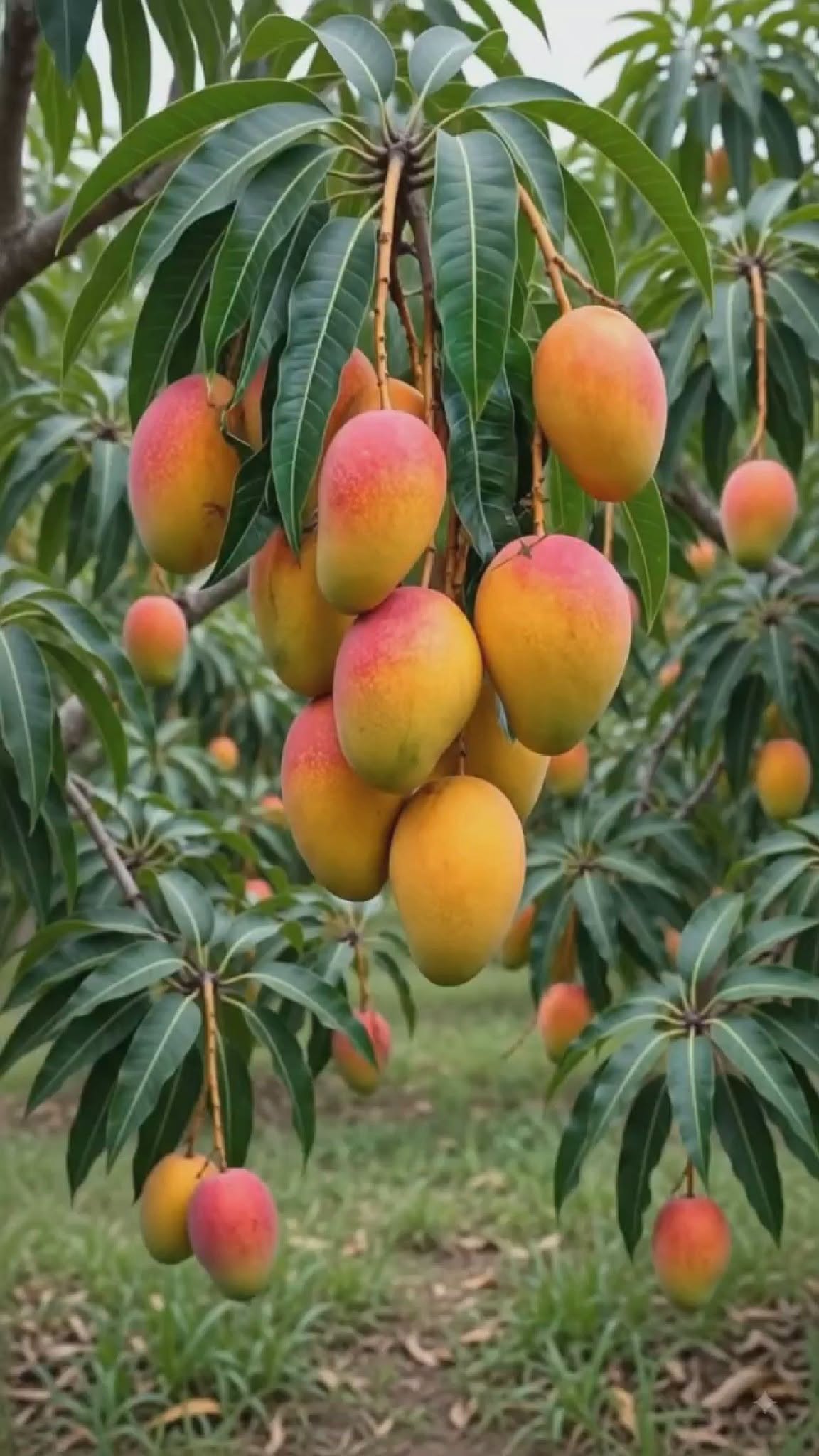
Mammoth potentials of exporting Bangladeshi mangoes remaining nearly untapped due to apathy of concern authorities, stakeholders revealed.
Exporters said Bangladeshi Mangoes have immense potential to dominate the global market. They said the Bangladeshi mangoes are gaining popularity across several European and Middle Eastern markets, thanks to their distinctive flavor and aroma.
On the other hand, the productions are also increasing in several districts in the country.
Instead of these potentials, the exporters alleged that due to the authorities’ indifference the huge scope of mango exporting get a very narrow achievement so far. Only one percent of the total production of mango are now exporting.
Experts attribute the country’s low mango exports to inadequate internationally compliant packhouses, underdeveloped cold-chain logistics, the absence of standard grading and packaging systems, limited adherence to Good Agricultural Practices (GAP), pest and disease damage, and insufficient entrepreneurial participation in export-oriented trade.
Exporters said, lack of heed in air space facilities, shortage of laboratories services, high air cargo fare, mismanagement in airport and such other obstacles keeps the huge foreign currency earning horizon narrowed.
Why Lagging Behind as per Exporters
Exporters said air cargo charges increased by two to three times their usual levels last year.
When contacted, Bangladesh Fruits, Vegetables & Allied Products Exporter Association (BFVAPEA) President S M Jahangir Hossain told Asia Post, “There are huge prospects of exporting mangoes to many countries including Asia, Europe and America but lack of government policy supports kept the exporters lag behind.”
He said, “Airplane is the lone way to carry perishable items, like fruits, especially mangoes abroad. But airfare for mango exporting is not fair. While one kilo mango costs only 2.5 dollars from India’s New Delhi to London, it costs 5 dollars from Dhaka to the same destination.”
The business leader said also that lab and such others facilities also insufficient for Bangladeshi mango exporters, which should be addressed soon to overcome barriers and expand the exporting of the very potential product mango.
Contacted, BFVAPEA General Secretary Mohammad Monsur told Asia Post, “Mangoes exporters have not got sufficient space in air cargo. High transportation costs and inadequate infrastructure—particularly the lack of vapour heat treatment facilities—continue to undermine Bangladesh’s competitiveness in major overseas markets.”
He stressed the need for government investment in modern treatment and processing facilities.
He asked the government to remove all of such barriers through coordinated ways.
Bumper Mango Harvestings
Sources said, Bangladesh is expecting a bumper mango harvest this season, with production likely to exceed 2.7 million metric tons across roughly 204,000 hectares of land, due to favorable weather conditions, according to officials of the Department of Agricultural Extension (DAE).
The DAE had initially set a production target of 2.666 million metric tons for the 2025–26 season. However, agricultural officials and growers believe output could surpass that figure if weather conditions remain stable through the harvesting period.
Mangoes have been cultivated on about 204,000 hectares of land this year. Harvesting began in May and is expected to continue until mid-October. Major producing districts include Chapainawabganj, Rajshahi, Satkhira, Dinajpur, and Rangpur.
Asia Post’s Rajshahi Correspondent Mustafiz rocky said, according to DAE, Rajshahi, Naogaon, Chapainawabganj, and Natore together constitute one of Bangladesh's major mango-producing regions.
A wide range of mango varieties are cultivated in these four districts, including Amrapali, Khirsapat, Haribhanga, Langra, Gopalbhog, Katimon, Fazli, and BARI-4.
He said, though mango production increased in the region, the farmers are not happy due to less demand in home market.
They demanded the government to expand mango export market so that they could earn handful profit producing the juicy fruits.
Our Satkhira Correspondent Gazi Farhad said, according to the latest data from the District Department of Agricultural Extension, commercial mango cultivation has been carried out on 4,140 hectares of land in the district this year, about 3 hectares more than last year.
DAE has set a production target of 70,380 to 70,900 metric tonnes of mangoes for the current season.
Farmers of the district hope that once mango export increasing they would get more profit producing and selling mangoes.
Officials attributed the strong outlook to timely temperature rises after winter, adequate rainfall, abundant flowering, and relatively low fruit drop. Farmers across major mango-growing regions have reported healthy orchards and high expectations for the season.
Exports Increasing Gradually
According to DAE data, Bangladesh produced 2.143 million metric tons of mangoes in fiscal year 2016–17, exporting only 309 tons. Production rose to nearly 2.5 million tons in 2019–20, while exports stood at 283 tons. In 2020–21, the country produced 2.35 million tons and exported 1,757 tons.
Production reached a record 2.707 million metric tons in 2022–23, when exports also peaked at 3,100 tons. In 2023–24, output declined to 2.509 million tons and exports fell to 1,321 tons. During 2024–25, mango cultivation covered around 205,000 hectares, producing 2.67 million tons, while exports recovered significantly to 2,194 tons.
The latest export figure represents a 66 percent increase from the previous year, although it remains below the record achieved in 2022–23. Traders are optimistic that exports could reach at least 3,000 tons this season if market conditions remain favorable.
Major Destinations Abroad
Bangladesh currently exports mangoes to at least 38 countries, with the Middle East and Europe remaining the principal markets. Popular export varieties include Khirsapat, Gopalbhog, Fazli, Haribhanga, Amrapali, Himsagar, Langra, and BARI-4. Amrapali alone accounts for nearly 80 percent of total exports.
In 2025, Bangladeshi mangoes were shipped to 26 countries. The United Kingdom was the largest destination, importing 686 tons, followed by Saudi Arabia with 356 tons, Italy with 264 tons, Kuwait with 167 tons, and Qatar with 163 tons. Demand in the UK is driven largely by the South Asian diaspora, while both expatriate and local consumers support growing demand across the Middle East.
Bangladesh also continues to diversify its export destinations. The country entered the Chinese market for the first time last year, exporting three tons of mangoes. Shipments to China increased to five tons in 2025, while new opportunities are emerging in Japan and Malaysia. Australia has also shown interest in sourcing Bangladeshi mangoes.
Meanwhile, Japan imports approximately 45 tons of mangoes annually from India, valued at around US$1.5 million. However, citing deficiencies in pest and insect control procedures—such as Vapor Heat Treatment (VHT)—Japan suspended mango imports from India this year.
Exporters and government officials said they are trying to get Japan market and have a good gesture in this regard.
Challenges Ahead
Despite steady growth, the country’s mango export sector faces significant challenges. Exporters cite high air freight costs as one of the biggest obstacles to expansion. Air cargo charges reportedly increased two to three times their normal levels last year, reducing competitiveness in overseas markets.
Industry representatives also point to inadequate export infrastructure, particularly the absence of sufficient vapour heat treatment facilities required by several importing countries. Experts say improvements in post-harvest handling, processing, certification, and logistics are essential to unlocking export potential.
According to estimates from the Organisation for Economic Co-operation and Development (OECD), global fresh mango exports totaled around 2.1–2.2 million tons in 2024. Bangladesh accounted for only about 0.1 percent of that volume despite producing more than 2.5 million tons annually.
Agricultural scientists believe the country’s current export capacity is around 4,000 tons and could potentially double to 8,000 tons with coordinated investment in infrastructure, quality control, and market access initiatives.
Officials say ongoing farmer training, technology transfer, improved planting materials, and modern orchard management practices have contributed to rising production. The government is also working to improve product quality and expand market access to help Bangladesh establish a stronger presence in the global mango trade.
What Experts Say
Contacted, Mohammad Arifur Rahman, Director of the Department of Agricultural Extension’s Exportable Mango Production Project, told Asia Post, “More exportable quality mangoes are now producing through the services of our project. You may see more hygienic mango cultivations are now found in our country which are export quality.”
The PD said, Agriculture Ministry has sent letter to the Ministry of Civil Aviation and Tourism for allotting adequate space for mango exporting and to reduce airfare for mango carrying.
He said Bangladesh needs to ink more MoU to major mango importing countries globally with combined efforts of commerce and foreign ministries.
When contacted, Agricultural economist Dr. Jahangir Alam told Asia Post, “The flavor and aroma of Bangladeshi mangoes have conquered the love of the Europe and Middle Eastern countries’ people. Now the government has to do more to expand this product’s exporting sharply.”
Dr. Jahangir Alam, also Director, Dhaka School of Economics and former Vice-Chancellor, University of Global Village said, Coordinated efforts through Agricultural Ministry, Commerce Ministry, Civil Aviation Ministry and Foreign Ministry with the other stakeholders like farmers and traders are very important to catch the mammoth opportunity of earning foreign currency through escalating mango exports.
Related Benefits
Experts and stakeholders said increasing mango products have many related benefits.
More employment will be created. Local people also get more nutrition consuming more export quality mangoes produced by following GAP method. It will naturally expand mango cultivations that means more foresting will be take place.
It will make our earth greener and bio-diversity friendly. The adverseness of climate change will be reduced.