
Three milestones for Ronaldo on a night of two goals
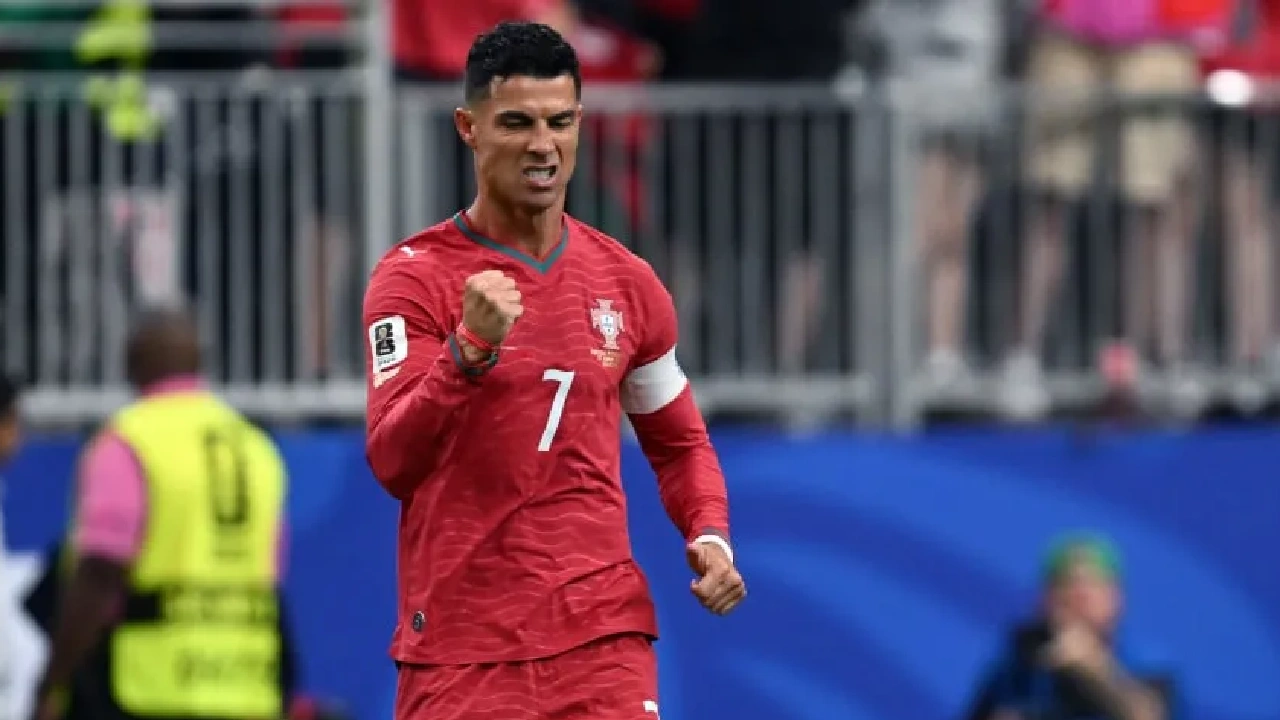
After the opening match, there were plenty of questions. A 1–1 draw against Congo, an underwhelming performance from Cristiano Ronaldo, and a lack of sharpness in Portugal’s attack had all fueled criticism. But writing his own story on the biggest stage is something Ronaldo has done throughout his career. Against Uzbekistan, that familiar scene unfolded once again.
Portugal defeated Uzbekistan 5–0 in a World Cup group-stage match in Houston. Ronaldo scored twice, and with those goals, the 41-year-old Portuguese star set three major records in a single night.
The first record came as early as the sixth minute. João Cancelo made a brilliant run down the right flank before delivering a low cutback into the box. Ronaldo, perfectly positioned, tapped the ball into the net from close range. With that goal, he became the first player in football history to score in six different FIFA World Cups. After finding the net in 2006, 2010, 2014, 2018, and 2022, he has now also scored in the 2026 tournament—an unprecedented level of consistency.
Ronaldo’s first goal also saw him equal Portugal legend Eusébio’s World Cup goal tally. Eusébio scored nine goals for Portugal during the 1966 World Cup, and Ronaldo matched that number with his opener. However, he did not have to wait long to surpass it. In the 39th minute, he latched onto a perfectly weighted through ball from Bruno Fernandes and scored his second goal of the night. That strike took his World Cup total to ten goals, making him Portugal’s all-time leading World Cup scorer.
The third record was age-related. At 41 years and 138 days old, Ronaldo became the oldest player ever to score a brace in a World Cup match. In a single evening, he achieved three historic feats: becoming the first player to score in six World Cups, Portugal’s top World Cup goalscorer, and the oldest player to score two goals in a World Cup game.
Beyond the records, the performance carried significant psychological importance. Ronaldo had faced criticism after the draw against Congo, with questions raised about his age, pace, and place in the team. Against Uzbekistan, however, he looked far more energetic from the outset. Although he missed his first opportunity, he was ruthless with the next two. The first goal showcased his positioning, while the second highlighted his movement and composed finishing.
Portugal as a team also looked much sharper than in their previous match. The tempo of their play was higher, they switched the ball more quickly, and midfielders Vitinha and João Neves controlled the game effectively. Bruno Fernandes provided creativity in attack, while Cancelo and Nuno Mendes constantly threatened from the flanks. Mendes’ goal from a free kick in the 17th minute further boosted Portugal’s confidence.
Uzbekistan briefly thought they had a route back into the game in the 29th minute when Aziz Ganiev unleashed a spectacular long-range strike. However, after a VAR review, the goal was disallowed due to a foul in the buildup. Following that decision, Portugal took complete control of the match.
In the second half, an own goal extended Portugal’s lead. Then, in the 87th minute, substitute Rafael Leão added a fifth goal to make it 5–0. By then, however, the main story had already been written. It was Ronaldo’s night—Ronaldo’s records and Ronaldo’s response to his critics.
Another talking point has also emerged. Ronaldo has long spoken about his ambition to reach 1,000 career goals. After scoring twice against Uzbekistan, that remarkable milestone is now a little closer.