
Delhi metro shuts entry, exit at 45 stations ahead of CJP protest
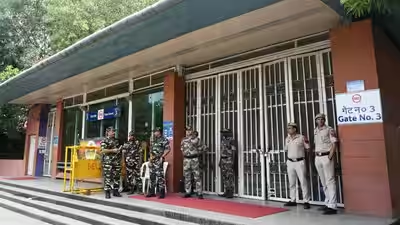
Entry and exit gates at 45 Delhi Metro stations have been closed as a security measure ahead of the Cockroach Janata Party’s (CJP) protest demanding the resignation of Chief Election Commissioner Gyanesh Kumar.
The Delhi Metro Rail Corporation (DMRC) took the step following a request from Delhi Police, which warned of possible “unruly mob movement towards sensitive locations.”
The number of affected stations was initially set at 57 but was later reduced to 45. The closures affect stations in several parts of the capital, including Central Delhi, Hauz Khas, Kashmere Gate, Maujpur-Babarpur and Rithala.
According to the DMRC, the restrictions began at 9pm on October 9 and were scheduled to remain in place until 6pm on October 10. Security agencies will review the situation and issue further updates if necessary.
Interchange facilities will remain available at all affected stations except New Delhi Metro Station.
Meanwhile, the Namo Bharat stations at Sarai Kale Khan and New Ashok Nagar will also remain closed until 10pm on October 10.
CJP Plans Second Protest at Jantar Mantar
The CJP called the demonstration at Jantar Mantar to demand Kumar’s resignation over allegations of deliberate changes to Form 6 and irregularities in the Special Intensive Revision (SIR) of electoral rolls.
Joint Commissioner of Police Nupur Prasad said an application seeking permission for the October 10 protest was submitted on October 7, just three days before the planned gathering. She said the prescribed notice period was at least 10 days.
Police have also raised concerns about alleged violations of instructions issued by authorities during an earlier demonstration.
As part of the security arrangements, more than 120 companies of the Central Armed Police Forces (CAPF) are expected to assist Delhi Police. Security personnel have been deployed at strategic locations, while CCTV cameras have been installed to monitor the area.
Authorities have divided the New Delhi district into 20 zones for closer supervision. Senior police officers, including joint commissioners, deputy commissioners, additional deputy commissioners and special commissioners, will oversee different units and monitor developments.
Source: NDTV